
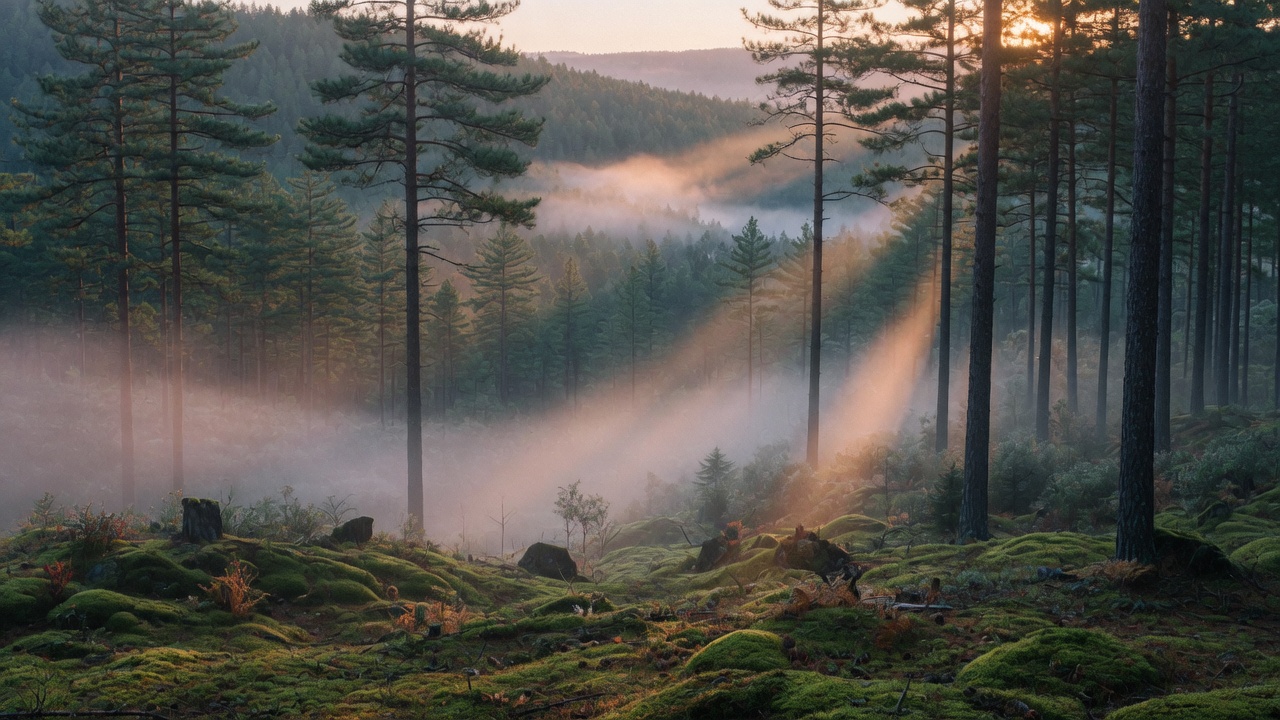
This is the kit that goes out most often: a half-day or full-day sit or still-hunt where you walk in, hunt, and walk out without camping. Build it once, leave it packed, and only swap season layers and tags.
Always in the pack
- License & tags — in a zip pouch you can find in the dark
- Headlamp + spare batteries — blood trailing and walk-outs do not wait for daylight
- Knife — fixed blade or locking folder you trust; keep it sharp
- Nitrile or latex gloves — field dressing without soaking your hands
- Flagging tape or markers — mark trail or drag path
- First aid mini-kit — blister care, gauze, tape, tourniquet if you know how to use it
- Water — at least one bottle; more if the walk is long
- Snack — something quiet to unwrap
- Phone + offline map / GPS pin — park location, stand pin, and a charged battery bank
- Rain shell — stuffable, quiet enough not to spook everything within 40 yards
Usually worth the weight
- Binoculars — even in timber; glass before you walk
- Rangefinder — if your shots are not “always 20 yards”
- Drag rope or deer drag
- Game bags — keep meat clean if you quarter
- Seat pad or lightweight stool — longer sits, quieter fidgeting
- Wind checker — powder or milkweed
- Multitool — stand bolts, fencing, misc
Species notes (same pack, small swaps)
Do not build three different packs yet. Keep one day-hunt core, then swap a few items:
- Deer — drag rope, game bags, extra gloves, blaze as required
- Squirrel / small game — lighter knife, game vest or belt pouch, lighter optics
- Duck / waterfowl — waterproof layer priority, gloves that work wet, call lanyard; decoys are a separate haul
Leave at the truck (usually)
- Full change of clothes and boots
- Cooler / ice for meat
- Heavy processing gear you will not use at the kill site
- Spare coat you only need if the weather turns
Rule of thumb: if you have not used an item in the last five hunts and it is not a safety or legal requirement, it does not earn a permanent spot.