Rudy's Hunting

Hunting how-tos, gear, and field notes

Category: Field Notes

  • Early October trail cam check

    Early October trail cam check

    Early October in southwest Wisconsin is when the timber starts talking again. Leaves are thinning, mornings get sharp, and deer that spent summer in thick cover start showing more on camera. This is less a hunt log and more a check-in on what the cameras are saying before the woods get busy.
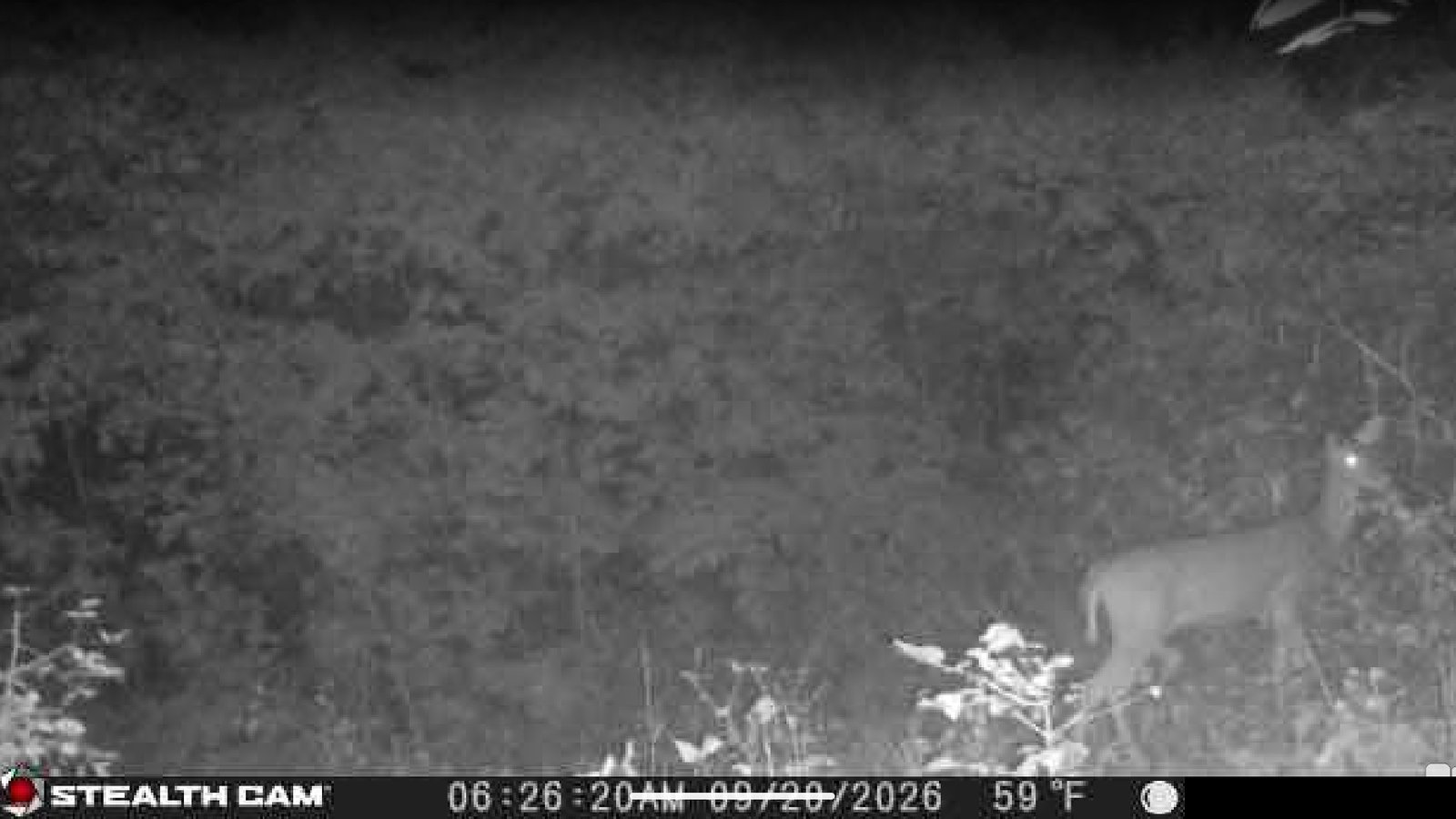
    Deer at the edge of a clearing at night, trail camera photo

    What I look for on the cards

    I am not counting every deer. I am looking for patterns: which edges get used after dark, whether bucks are still on a daylight schedule or already sliding later, and whether a food source or travel corridor is worth a sit. Night infrared shots are common this time of year. Daylight bucks on camera are the ones that make me pay closer attention to wind and approach.
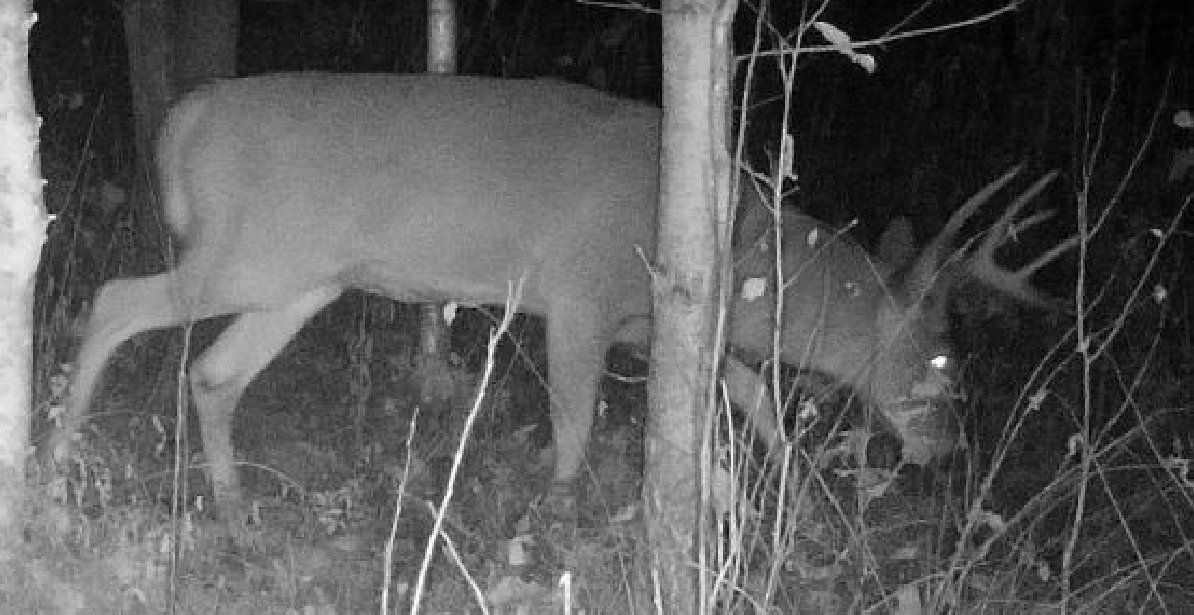
    Buck feeding at night beside a tree, infrared trail camera

    Southwest Wisconsin October habits

    Around here, early archery often means cool mornings, noisy leaves underfoot, and deer that still have some of their summer patterns. Pressure builds once more people are in the woods. If a trail stays quiet during legal light but lights up after dark, I treat that as information, not a failure. Move the camera a little, change the angle, or check a different edge before you burn a stand that only works at midnight.

    Practical notes

    • Pull cards on a schedule you can keep. Scattershot checks miss the story.
    • Write down wind and moon if you care about comparing weeks. Memory lies.
    • Do not over-visit a camera near a stand you plan to hunt. Fresh scent and boot tracks cost more than a full card.
    • Keep batteries and SD cards labeled. Mixing cards between cameras is how you lose the date story.

    More on placement and settings is in the trail cam basics guide. This note is just the October pulse check.
  • Reading buck sign in the timber

    Reading buck sign in the timber

    Before I trust a stand, I want to see how bucks are using the ground — not just that deer live there. Rubs, sheds, and trail cam frames are three pieces of the same puzzle. None of them guarantee a shot. Together they keep you from sitting where nothing actually travels.

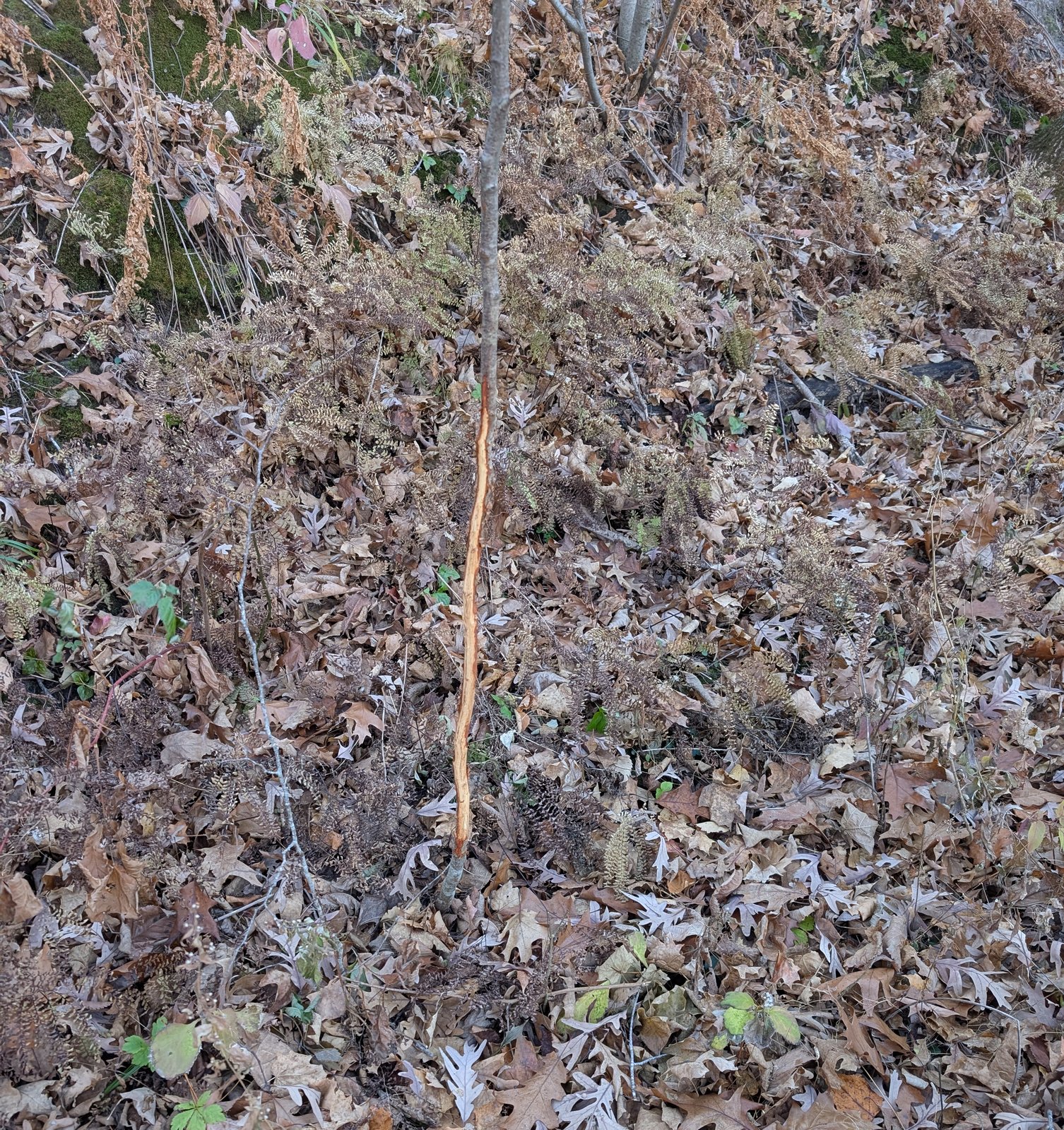
    Buck rub on a small sapling

    Rubs tell you height and habit

    A fresh rub on a small sapling is common in southwest Wisconsin timber once testosterone climbs in fall. Fresh wood and frayed bark mean recent use. A line of rubs along an edge or ditch often marks a travel route more useful than a single tree. I note the height and whether the rub faces a bedding thicket or a food edge — that helps guess direction of travel.

    Sheds are last season’s map

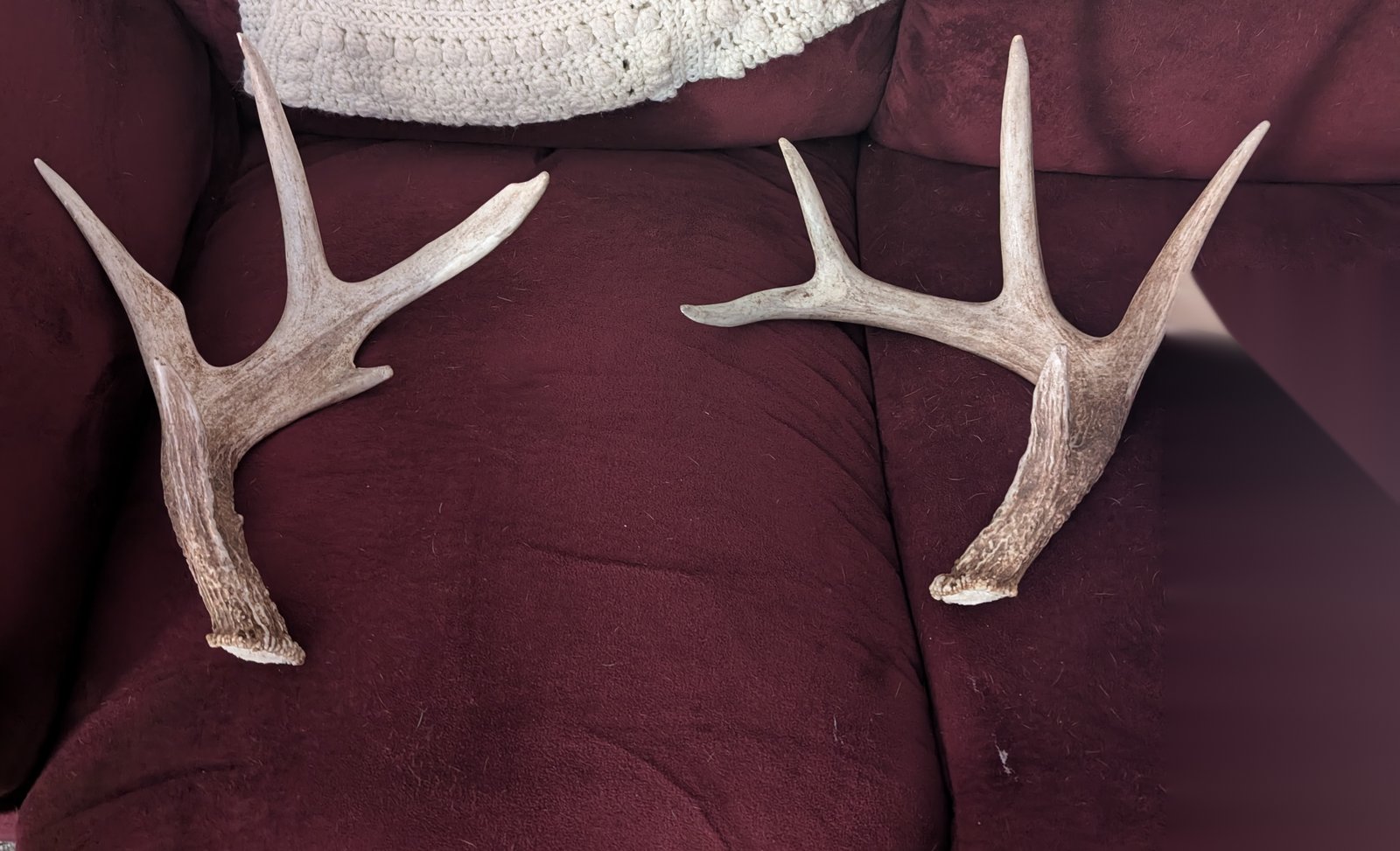
    A matched pair of sheds is a gift. Even a single side tells you a buck wintered or traveled through that cover. Shed hunting in late winter is one of the best free scouting trips of the year. Mark the spot. Come fall, that same ridge or creek bottom often still holds deer if the habitat has not changed.

    Matched pair of shed whitetail antlers

    Cameras confirm timing

    Sign on the ground shows where. Cameras show when. A buck that only walks past after dark is a different problem than one that hits the same edge at first light. I use both. If the timber has rubs and the camera only shows night traffic, I adjust access and wind before I keep sitting the same tree.

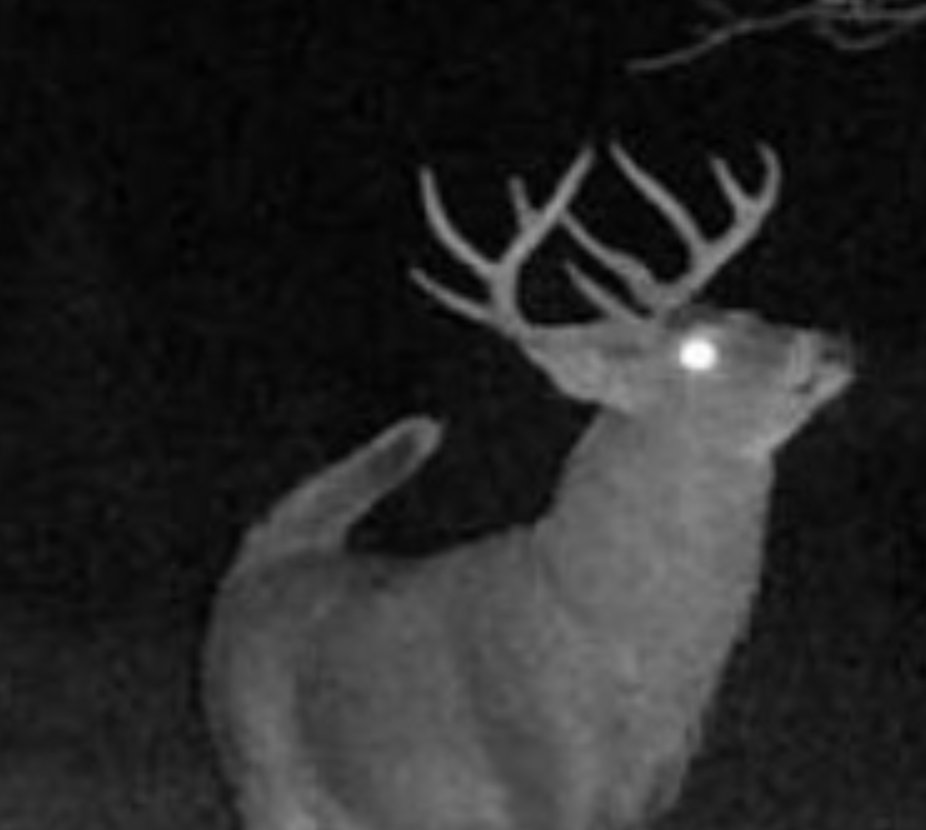
    Buck with eyeshine at night, infrared trail camera photo

    For more on putting this together before opening day, see scouting basics.