
Early October in southwest Wisconsin is when the timber starts talking again. Leaves are thinning, mornings get sharp, and deer that spent summer in thick cover start showing more on camera. This is less a hunt log and more a check-in on what the cameras are saying before the woods get busy.
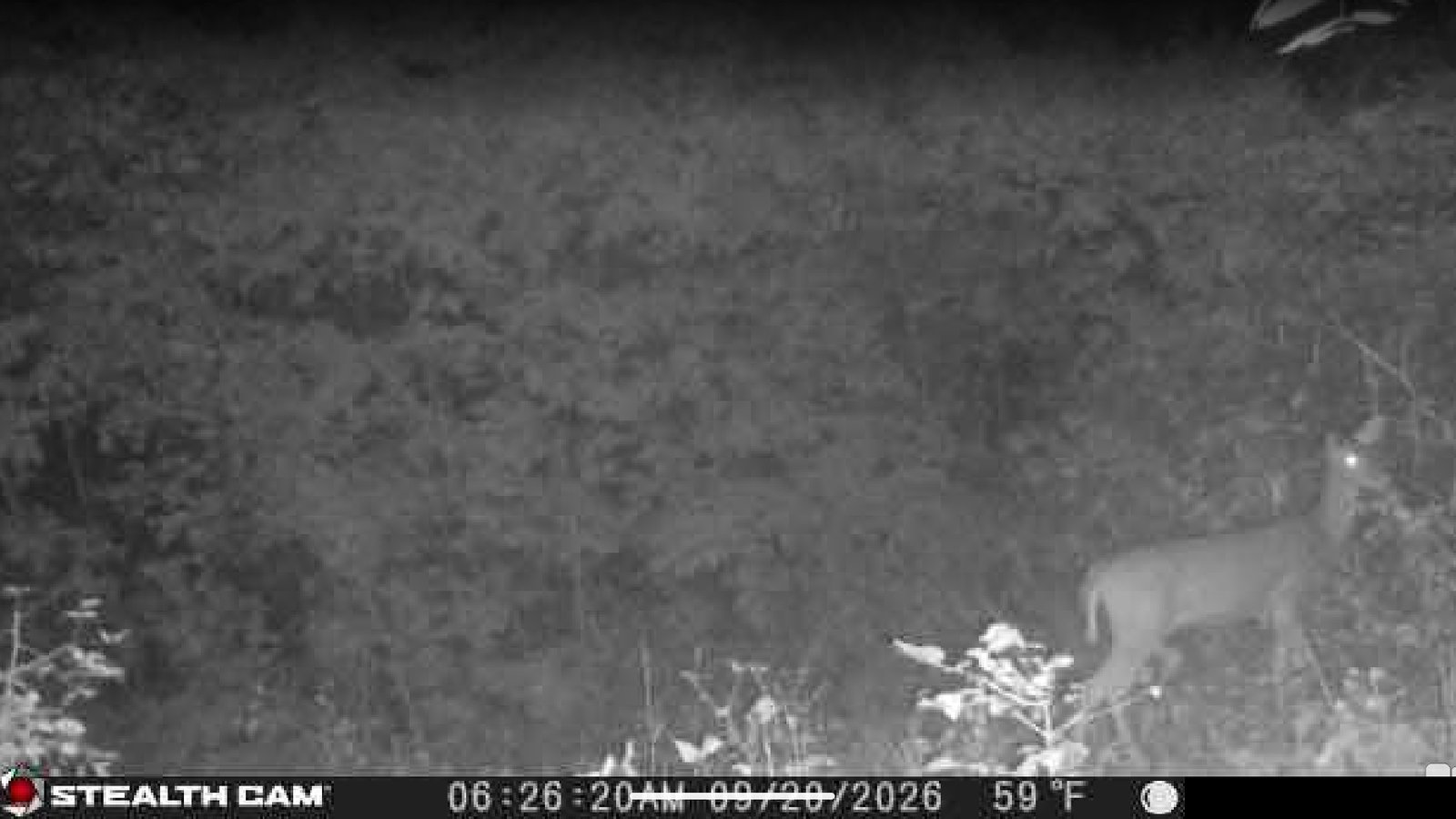
What I look for on the cards
I am not counting every deer. I am looking for patterns: which edges get used after dark, whether bucks are still on a daylight schedule or already sliding later, and whether a food source or travel corridor is worth a sit. Night infrared shots are common this time of year. Daylight bucks on camera are the ones that make me pay closer attention to wind and approach.
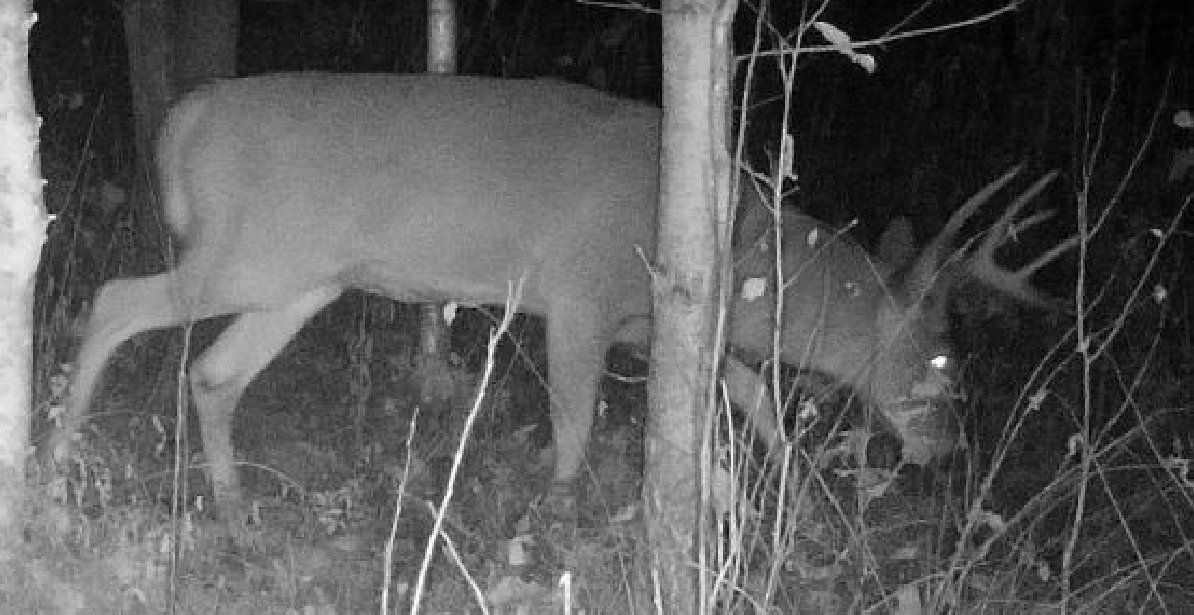
Southwest Wisconsin October habits
Around here, early archery often means cool mornings, noisy leaves underfoot, and deer that still have some of their summer patterns. Pressure builds once more people are in the woods. If a trail stays quiet during legal light but lights up after dark, I treat that as information, not a failure. Move the camera a little, change the angle, or check a different edge before you burn a stand that only works at midnight.
Practical notes
- Pull cards on a schedule you can keep. Scattershot checks miss the story.
- Write down wind and moon if you care about comparing weeks. Memory lies.
- Do not over-visit a camera near a stand you plan to hunt. Fresh scent and boot tracks cost more than a full card.
- Keep batteries and SD cards labeled. Mixing cards between cameras is how you lose the date story.
More on placement and settings is in the trail cam basics guide. This note is just the October pulse check.
Leave a Reply