Before I trust a stand, I want to see how bucks are using the ground — not just that deer live there. Rubs, sheds, and trail cam frames are three pieces of the same puzzle. None of them guarantee a shot. Together they keep you from sitting where nothing actually travels.
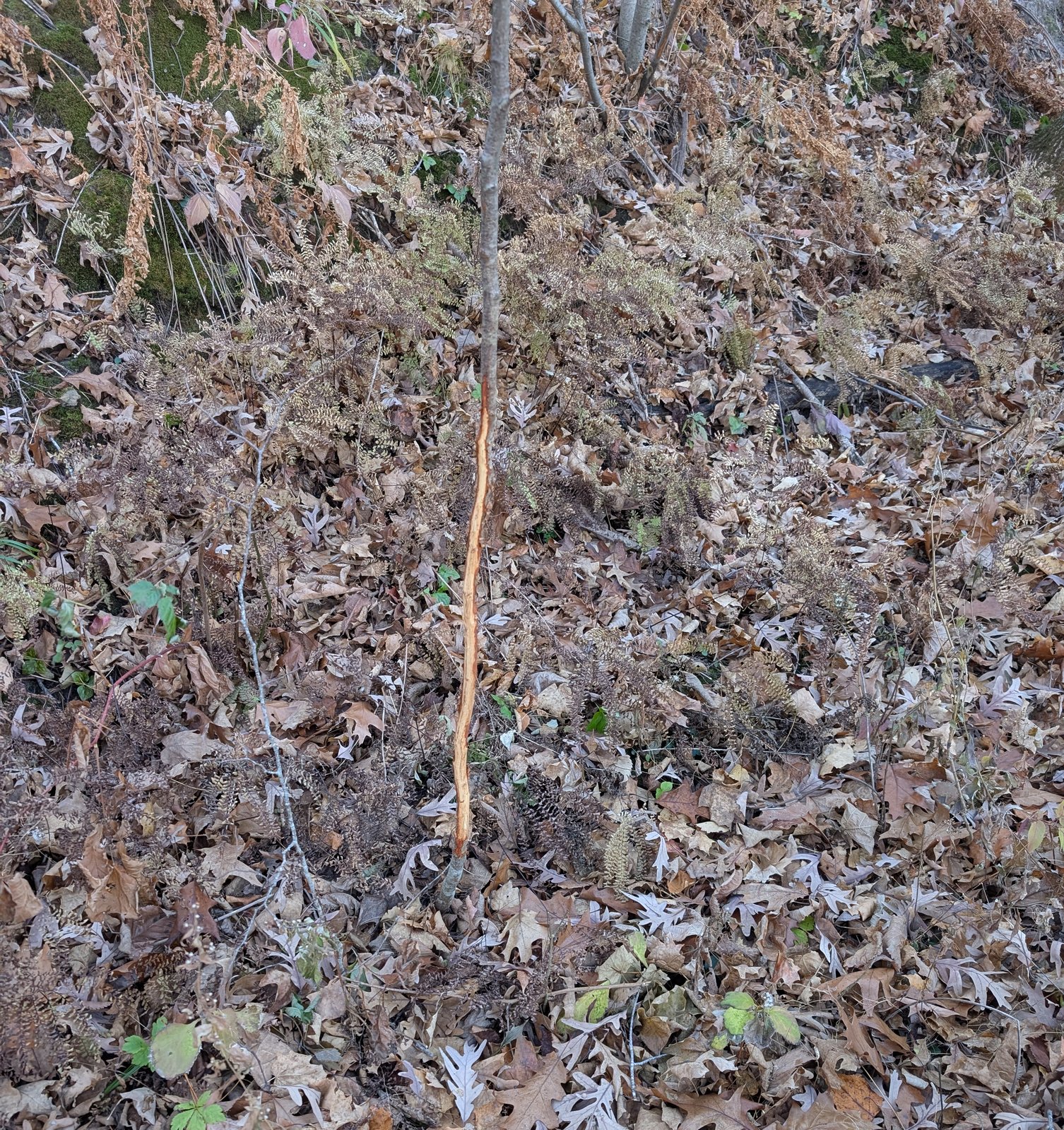
Rubs tell you height and habit
A fresh rub on a small sapling is common in southwest Wisconsin timber once testosterone climbs in fall. Fresh wood and frayed bark mean recent use. A line of rubs along an edge or ditch often marks a travel route more useful than a single tree. I note the height and whether the rub faces a bedding thicket or a food edge — that helps guess direction of travel.
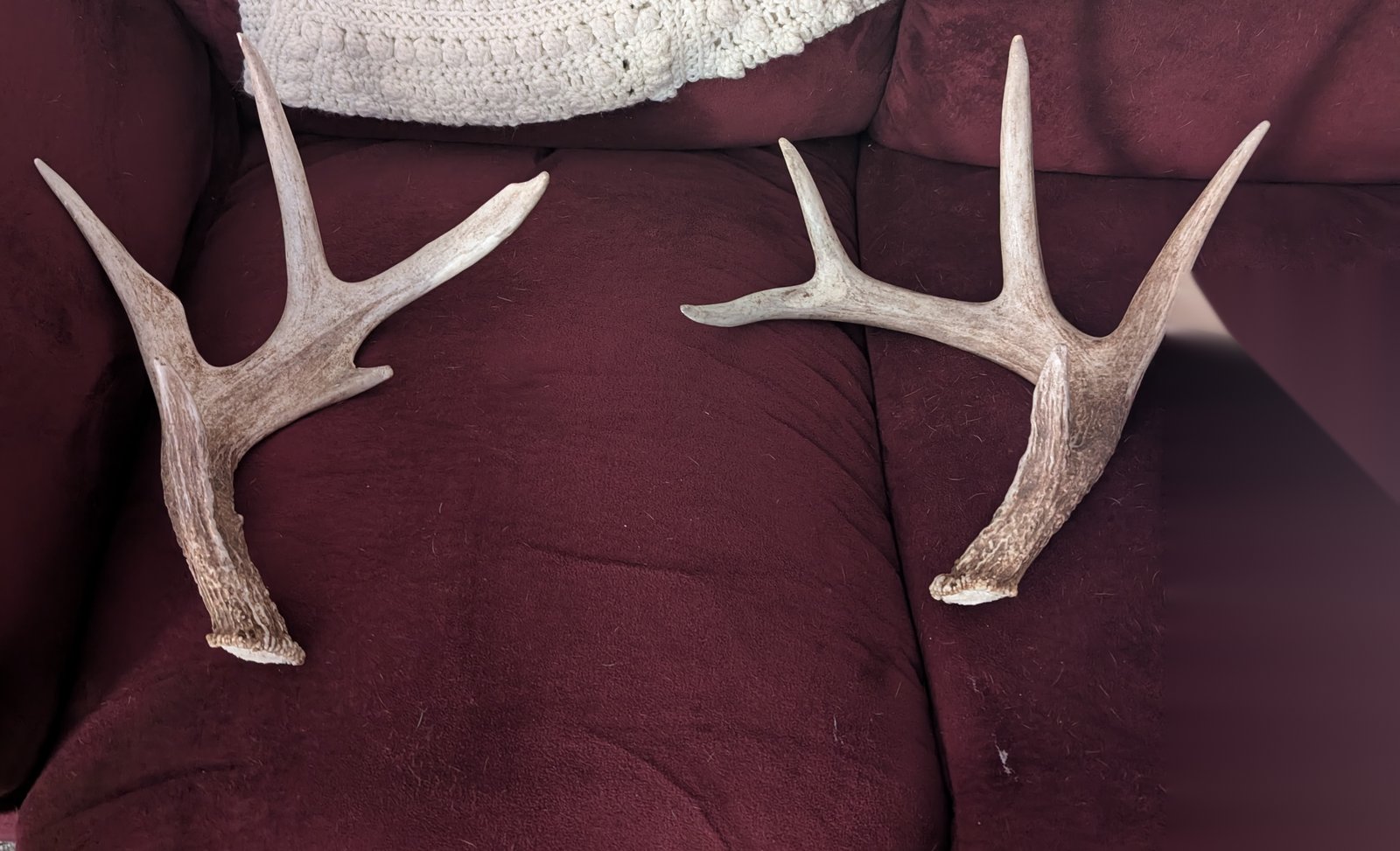
Sheds are last season’s map
A matched pair of sheds is a gift. Even a single side tells you a buck wintered or traveled through that cover. Shed hunting in late winter is one of the best free scouting trips of the year. Mark the spot. Come fall, that same ridge or creek bottom often still holds deer if the habitat has not changed.
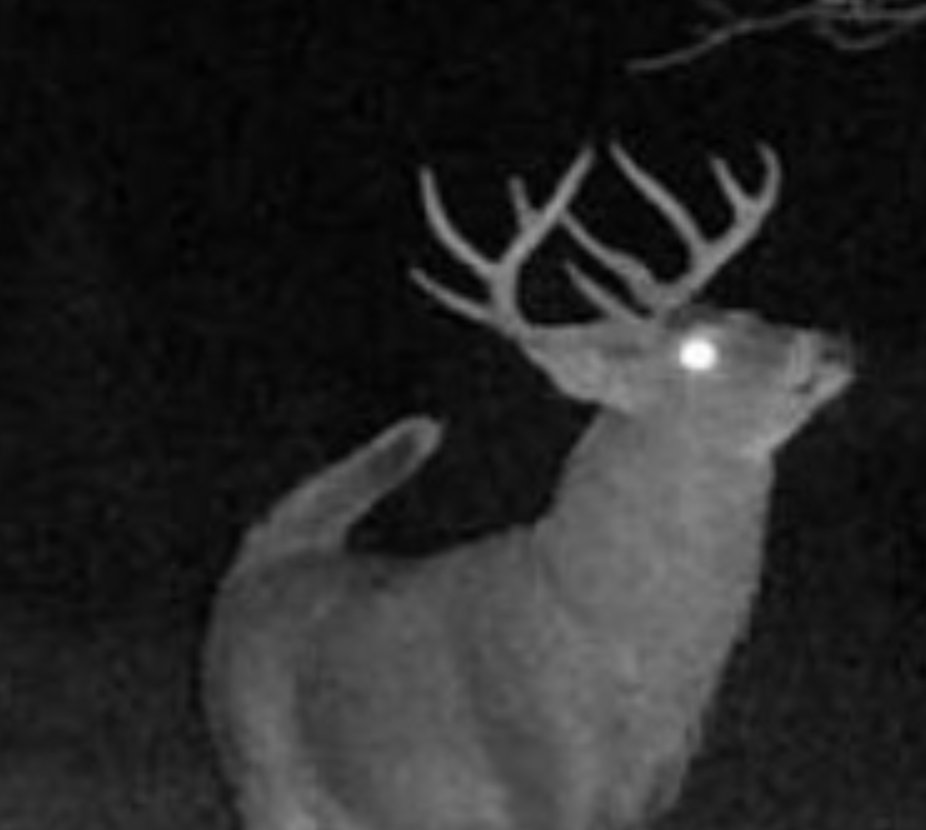
Cameras confirm timing
Sign on the ground shows where. Cameras show when. A buck that only walks past after dark is a different problem than one that hits the same edge at first light. I use both. If the timber has rubs and the camera only shows night traffic, I adjust access and wind before I keep sitting the same tree.
For more on putting this together before opening day, see scouting basics.
Leave a Reply