

A good knife and a few basic supplies make field care faster, cleaner, and safer. You do not need a big collection. This guide covers what to carry, how to keep blades sharp, and how to handle tools safely. It connects directly to field care after the shot, and the kit sits inside your day-hunt pack.
Choosing a knife
Fixed blade or folding
- Fixed blade: strong, easy to clean, and has no moving parts. Many hunters prefer it for dressing a deer. Carry it in a sheath.
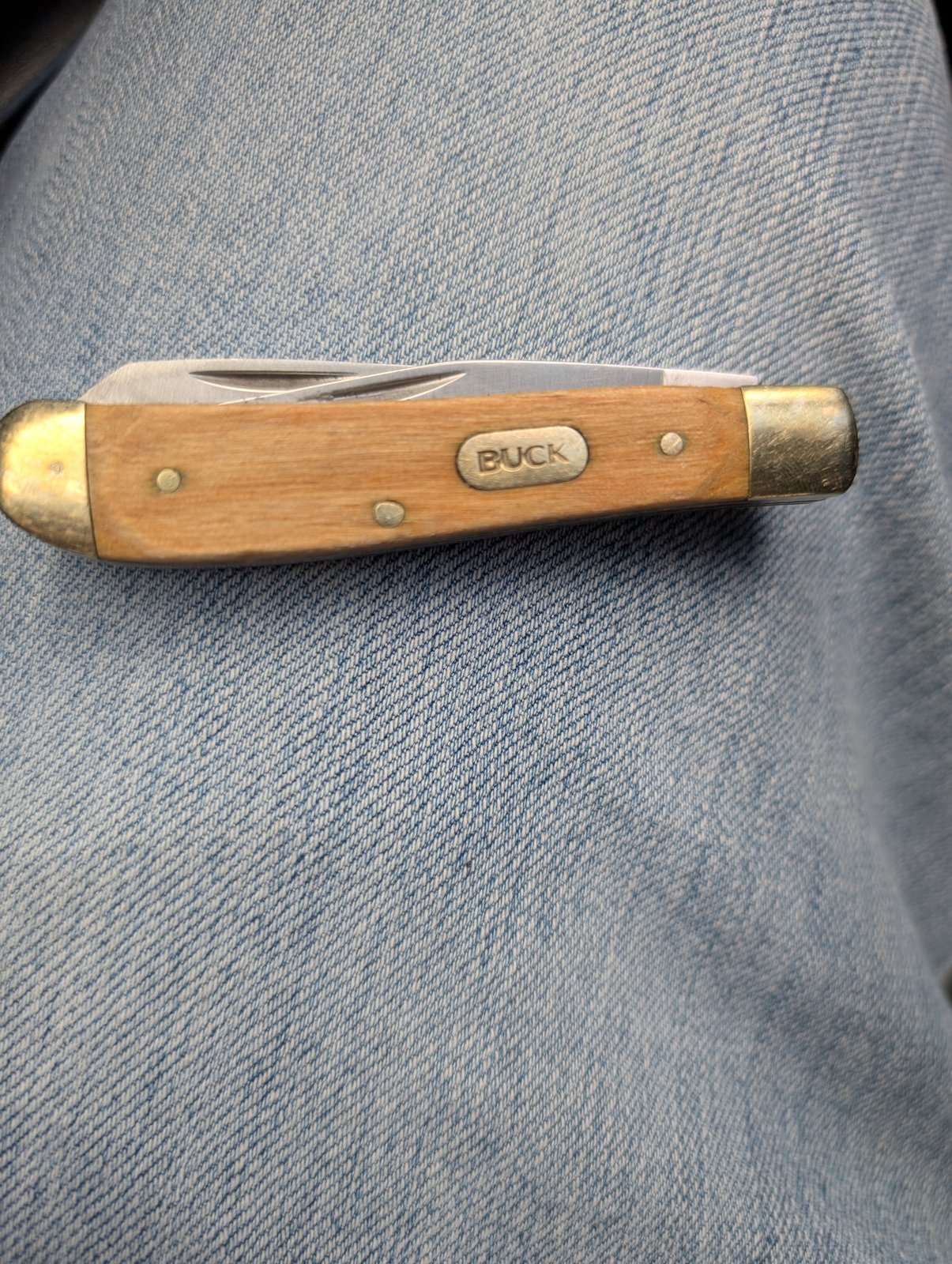
- Folding knife with a lock: compact and convenient. Make sure the lock is solid, and keep the pivot area clean.
Blade shape
- Drop point: a versatile shape for field dressing and skinning. A good general choice.
- Gut hook: helps open the belly without piercing organs. Some find it unnecessary.
- Skinning blade: a curved belly shape speeds up skinning, but may be a second knife.
- Small detail blade: helpful for small game and fine trimming.
Handles and steel
Choose a handle that is grippy when wet and bloody. Steel type matters less than keeping it sharp. Stainless resists rust, but carbon steel often sharpens easier and needs care to prevent rust. Avoid very long blades. A 3 to 4 inch blade is easier to control inside a cavity.
Sharpening
A sharp knife is safer than a dull one because it needs less force and slips less.
- Sharpen at home before the season.
- Carry a small field sharpener, such as a ceramic rod or a pocket stone, to touch up the edge.
- Test by cutting paper or shaving a few hairs from your arm. If it doesn’t cut cleanly, sharpen again.
- Follow the maker’s guidance on angles. Consistent angle matters more than special gear.
- Pull-through sharpeners are quick but can remove metal. Use sparingly.
The field processing kit
Pack these in a zip bag or small pouch.
- Knife and spare blades: if you use replaceable-blade knives, bring extra.
- Disposable gloves: several pairs, long-sleeve if possible. Gloves help with cleanliness and protect you from contact with fluids.
- Game bags: breathable cloth bags to protect quartered meat. Cheesecloth-style bags let air in and keep flies out.
- Rope or paracord: for hanging, dragging, or tying legs.
- Bone saw or small hatchet: only if you plan to quarter or split in the field.
- Water bottle and paper towels: for cleaning hands and tools.
- Hand wipes or sanitizer: for cleanup before eating.
- Zip-top bags: for heart, liver, and tags.
- Tag and pen: keep your tag handy and follow current rules on attaching or recording it.
- Headlamp: a necessity for low light.
Handling safely
- Cut away from your body and hands.
- Keep your off-hand out of the path of the blade.
- Do not use a knife with wet, slippery gloves unless you have good grip.
- Keep the knife in a sheath when not cutting.
- Use a cut-resistant glove if you are prone to accidents.
- If you cut yourself, stop, apply pressure, and treat the wound before continuing.
- Do not wash or clean blades while holding the sharp edge toward you.
Cleaning and storage
- Wipe the blade clean in the field with paper towels.
- At home, wash with warm soapy water and dry thoroughly.
- Lightly oil carbon steel blades.
- Store in a dry place. Leather sheaths can trap moisture, so remove the knife for long-term storage.
- Wash and dry game bags in unscented detergent, and replace torn ones.
Hygiene and meat safety
Keep tools and surfaces clean to reduce the chance of contamination.
- Do not cut open the stomach or intestines.
- Wipe the knife if it touches contents.
- Use clean tools for butchering at home, and sanitize surfaces.
- Keep meat cold. See field care after the shot.
Legal notes
Knife laws can vary by location and setting, so know the rules for where you carry. Hunting regulations may also limit equipment for some activities. For rules specific to hunting, check dnr.wisconsin.gov.
Common mistakes
- Carrying a large knife that is hard to control
- Skipping sharpening before the season
- Forgetting gloves and a headlamp
- Leaving a knife wet and rusty in a sheath
- Using a dull knife and applying too much force
FAQ
How many knives do I need?
One sturdy knife and one small backup are enough for most hunts.
Do I need a bone saw?
Only if you plan to quarter in the field. Many hunters use knives alone.
Are replaceable-blade knives good?
They stay sharp, and many hunters like them. Handle blades with care, and dispose of used ones safely.
Rudy hunts and fishes in southwest Wisconsin and has for 35+ years.
Leave a Reply