Rudy's Hunting

Hunting how-tos, gear, and field notes

Category: Seasons & Regulations

  • Pre-season checklist

    Pre-season checklist

    This is a planning checklist for the weeks and months before opening day. It is separate from your day-hunt pack, which covers what goes in the bag each outing. Here the goal is to finish the work that is hard to do once the season starts: paperwork, practice, repairs, and preparation. Work backward from opening day and give yourself more time than you think you need.
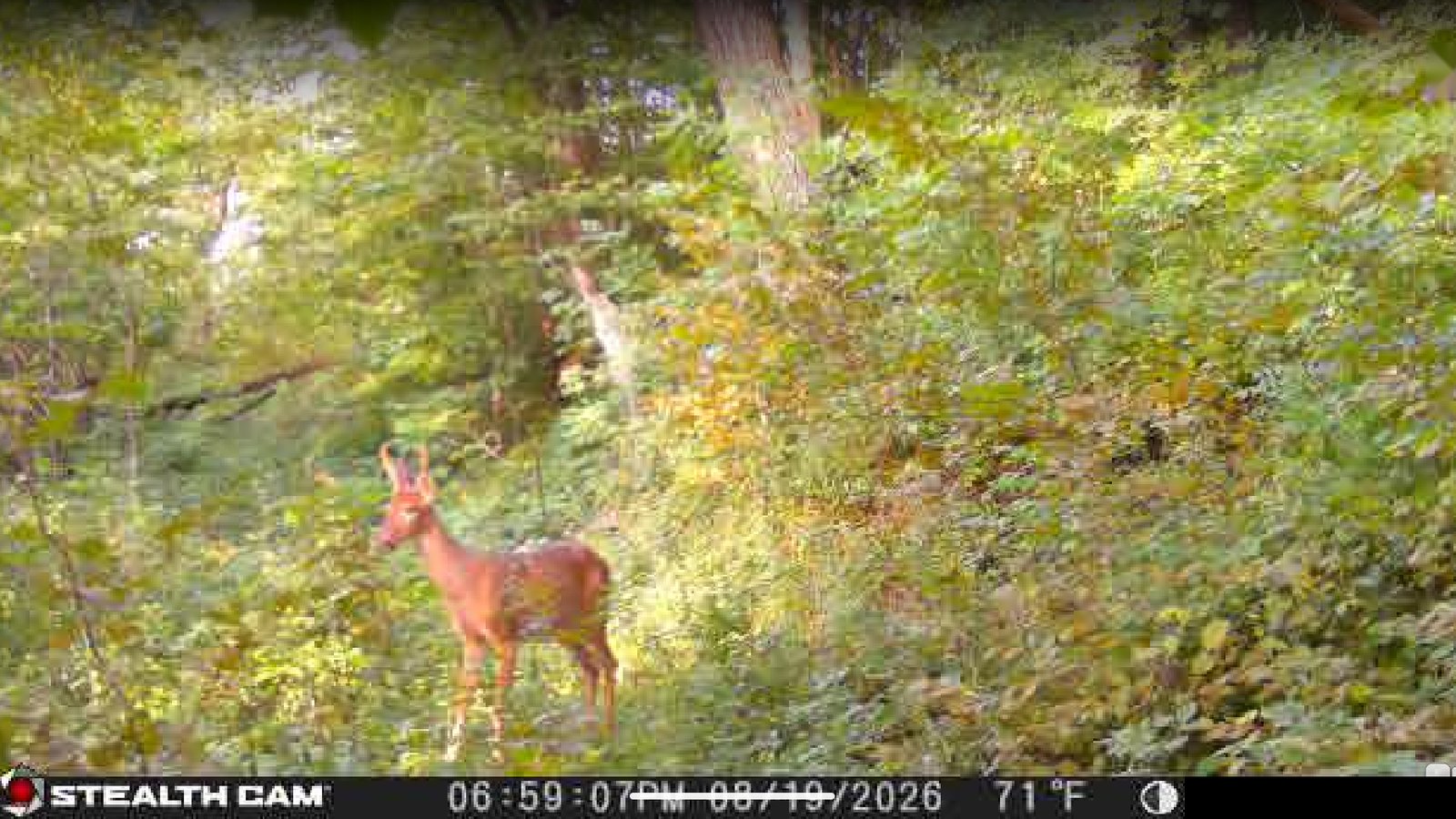
    Young deer in summer woods on a trail camera

    Eight to twelve weeks out: paperwork and planning

    • Hunter education: Wisconsin requires proof of hunter education for many hunters, depending on age and license type. Check requirements at dnr.wisconsin.gov and sign up early since classes can fill.
    • Licenses and stamps: buy through the DNR’s Go Wild system, and add any additional authorizations your hunt requires, such as stamps or permits for waterfowl.
    • Season structure: read through the current regulations for your species, unit, and weapon type. See understanding hunting seasons and regulations for how to read them.
    • Permissions and land access: ask landowners now, not the week before. Confirm boundaries and any rules a landowner wants followed.
    • Public land plan: pick a primary and a backup spot, and look at parking and walking routes.
    • Calendar and time off: block out your best hunting dates and any family commitments.

    Six to eight weeks out: gear

    Weapons

    • Firearm: clean, inspect, and confirm the action functions. Check scope mounts and sling swivels.
    • Bow or crossbow: inspect limbs, strings, cables, and rest. Replace worn strings or cables. If you are unsure, have a pro shop look it over.
    • Ammunition and arrows: buy the same load you will hunt with and verify zero.
    • Broadheads: confirm that they fly with your field points, and replace dull or damaged blades.

    Clothing and boots

    • Wash hunting clothes in unscented detergent and store them sealed.
    • Test boots for leaks and wear. Break in any new pair before the season.
    • Review your layering plan in clothing and layering for day hunts.

    Optics and tools

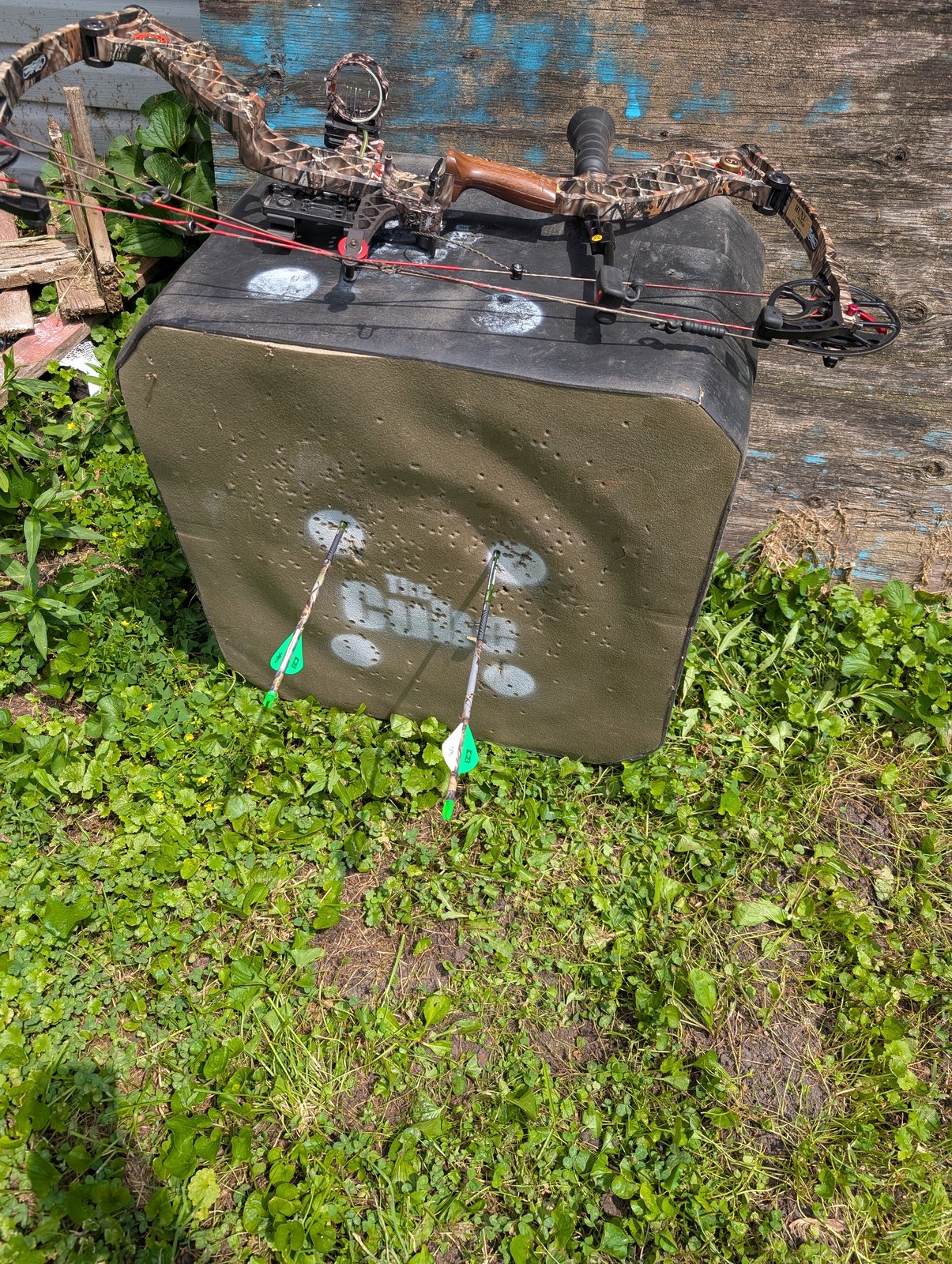
    Compound bow on a foam target with two arrows

    Four to six weeks out: practice

    • Shooting: practice from field positions, not only from a bench. Include sitting, kneeling, and shooting off sticks or a rest.
    • Bow: shoot at varied distances and from an elevated position if you hunt from a stand. Practice in the clothing you will wear.
    • Safe handling: run through unloading, loading, and crossing obstacles with your firearm.
    • Know your limits: decide in advance the maximum distance you can shoot ethically with your setup, and stick to it.

    Two to four weeks out: land and stands

    • Scouting: finish major scouting and stay out of core areas. See scouting basics.
    • Stands and blinds: inspect straps, bolts, cables, and platforms. Replace worn parts. Trim shooting lanes where permitted. Check stand and blind placement for setup and safety.
    • Safety harness: inspect webbing and stitching, and replace any harness that is old, damaged, or past its manufacturer’s lifespan.
    • Trail cameras: set, check, and pull them according to local rules and your own plan. See trail cam basics.
    • Access routes: clear a quiet path to each stand, and plan for how you will approach in the dark.
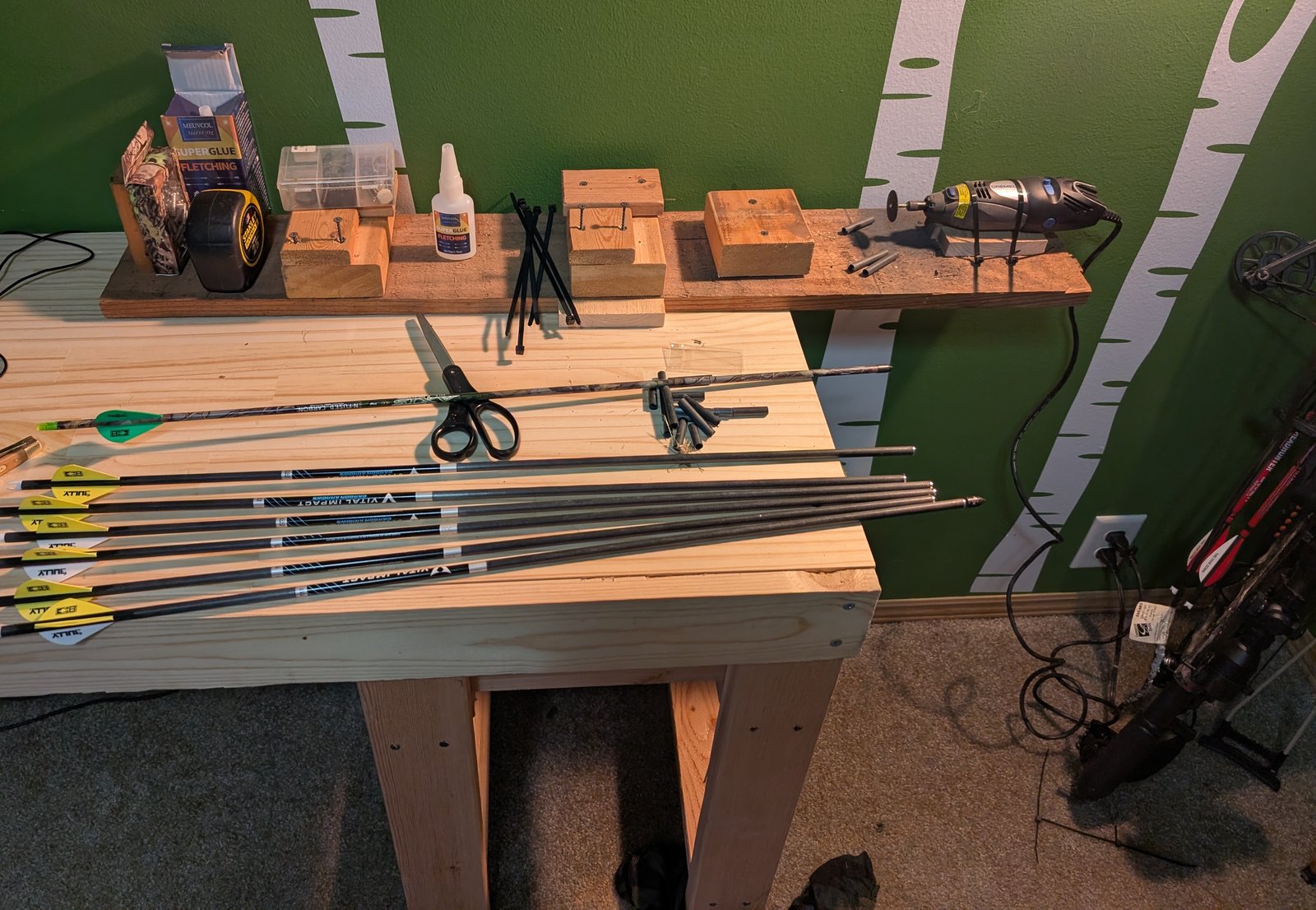
    Workbench for building arrows with fletching tools

    The final week

    • Pack and weigh your bag, and run through the list in the day-hunt pack essentials.
    • Charge batteries, update offline maps, and test the headlamp.
    • Check the weather and wind forecasts. See wind and weather decisions.
    • Fill the vehicle with fuel, and check your spare tire.
    • Review safety rules and make sure someone knows your plan.
    • Set up meat care: clean the cooler, buy ice or plan cold storage, and know where your processor is, if you use one. See field care after the shot.

    Common mistakes

    • Buying a license on opening morning and discovering an issue
    • Practicing only on a bench
    • Waiting until the last week to check stand straps and harnesses
    • Putting off scouting until too late, then walking through bedding areas
    • Not zeroing after changing ammunition or mounting a new scope

    FAQ

    What is the most commonly overlooked item?

    Safety equipment. Check harness, headlamp batteries, and a first aid kit.

    How early should I buy a license?

    As soon as you know your plans. It removes a source of last-minute stress.

    Should I check regulations every year?

    Yes. Seasons, units, and rules change. Confirm current details at the DNR site.

    Rudy hunts and fishes in southwest Wisconsin and has for 35+ years.
  • In-season hunting decisions

    In-season hunting decisions

    The season changes the way animals use the land. Food sources run out, hunting pressure builds, and the weather swings. This guide is about the decisions you make once the season is open: when to go, which stand to hunt, when to rest a spot, and when to adjust. It builds on scouting basics, stand and blind placement, and wind and weather decisions. Read those for the how; this is the when.

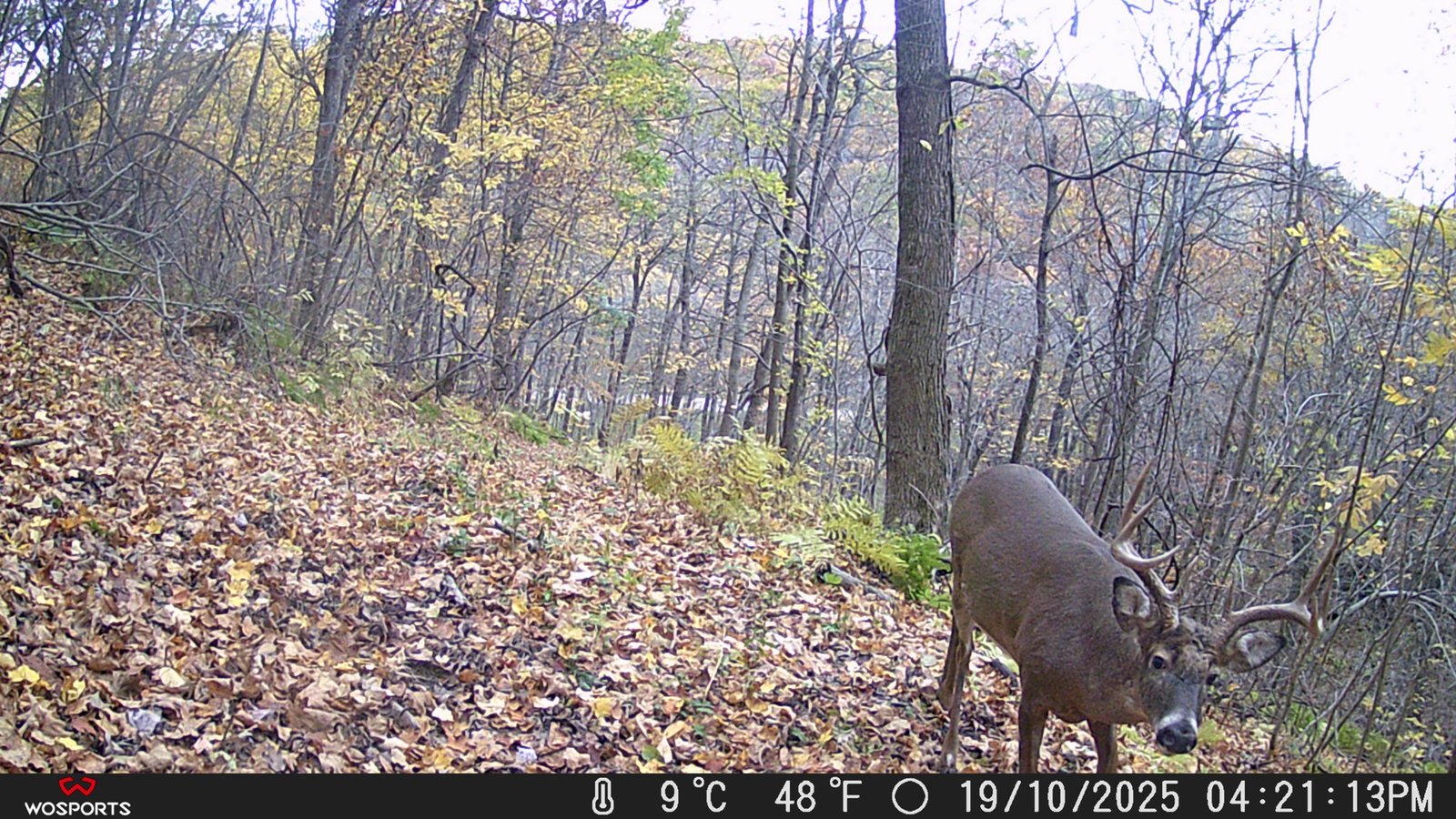
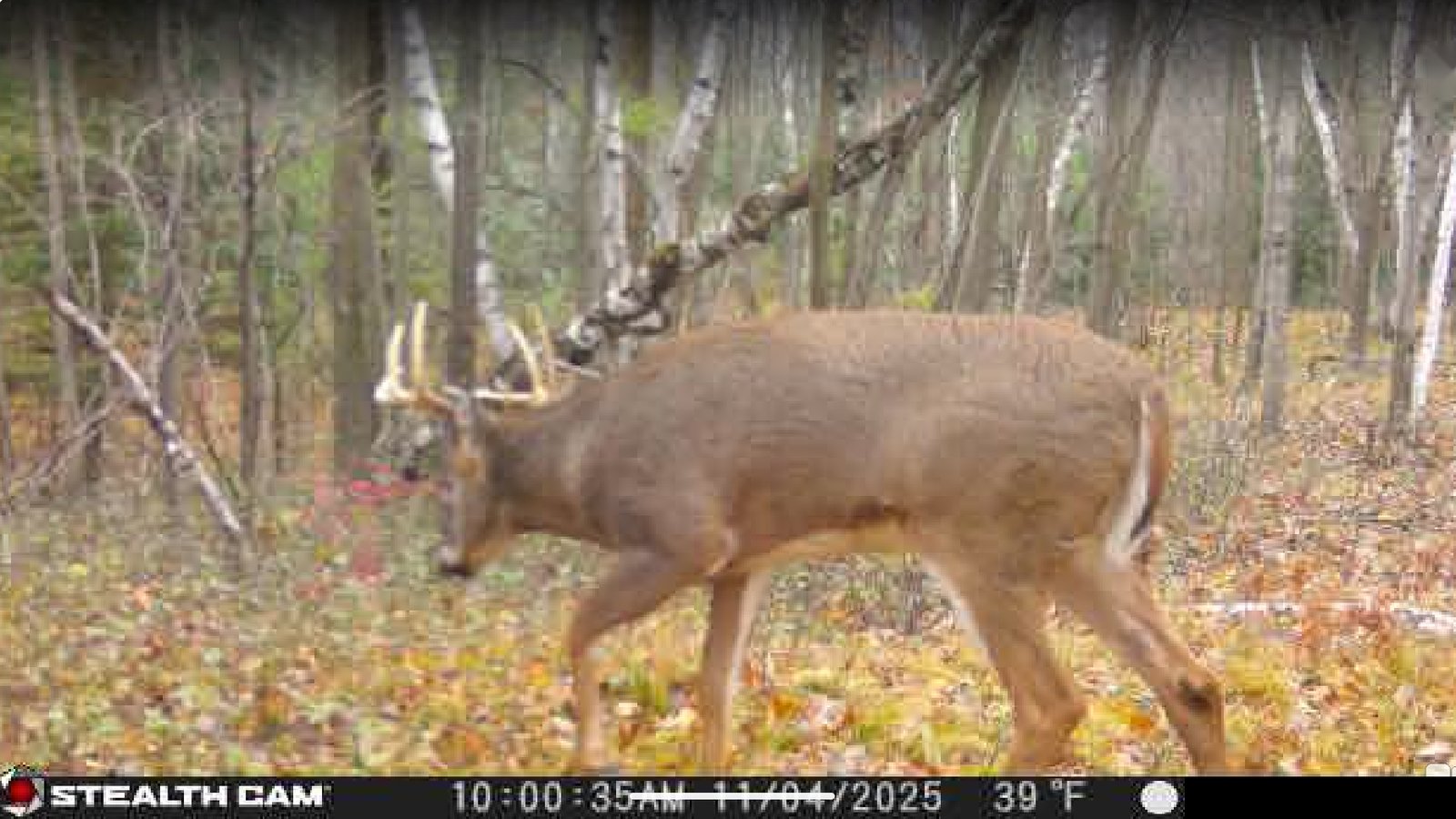
    Buck walking through fall woods, trail camera daytime photo

    Have a plan, then adjust

    Go into each hunt with a plan: stand, wind, approach, and exit. Then be willing to change it based on what you see. A plan prevents random choices. The ability to adjust prevents stubbornness.

    Keep a simple hunt log

    After each sit, write down:

    • Date, time in and out
    • Stand location and wind direction
    • Weather and temperature
    • What you saw (animals, time, direction of travel)
    • Any mistakes, such as wind swirl or noise

    A season of notes helps you spot patterns, such as which stands work on which winds, and it stops you from relying on memory. Keep it in a notebook or a notes app.

    Decide when to hunt a stand

    A stand is not a place you hunt every day. Use it when conditions line up.

    1. Wind: is the wind right for the approach and the setup?
    2. Recent activity: have you seen fresh sign or camera photos in the last few days?
    3. Pressure: have you or others been in the area recently?
    4. Weather: are conditions comfortable and safe?
    5. Food: is the food source still being used?

    If two or three of these are missing, pick another stand or stay home.

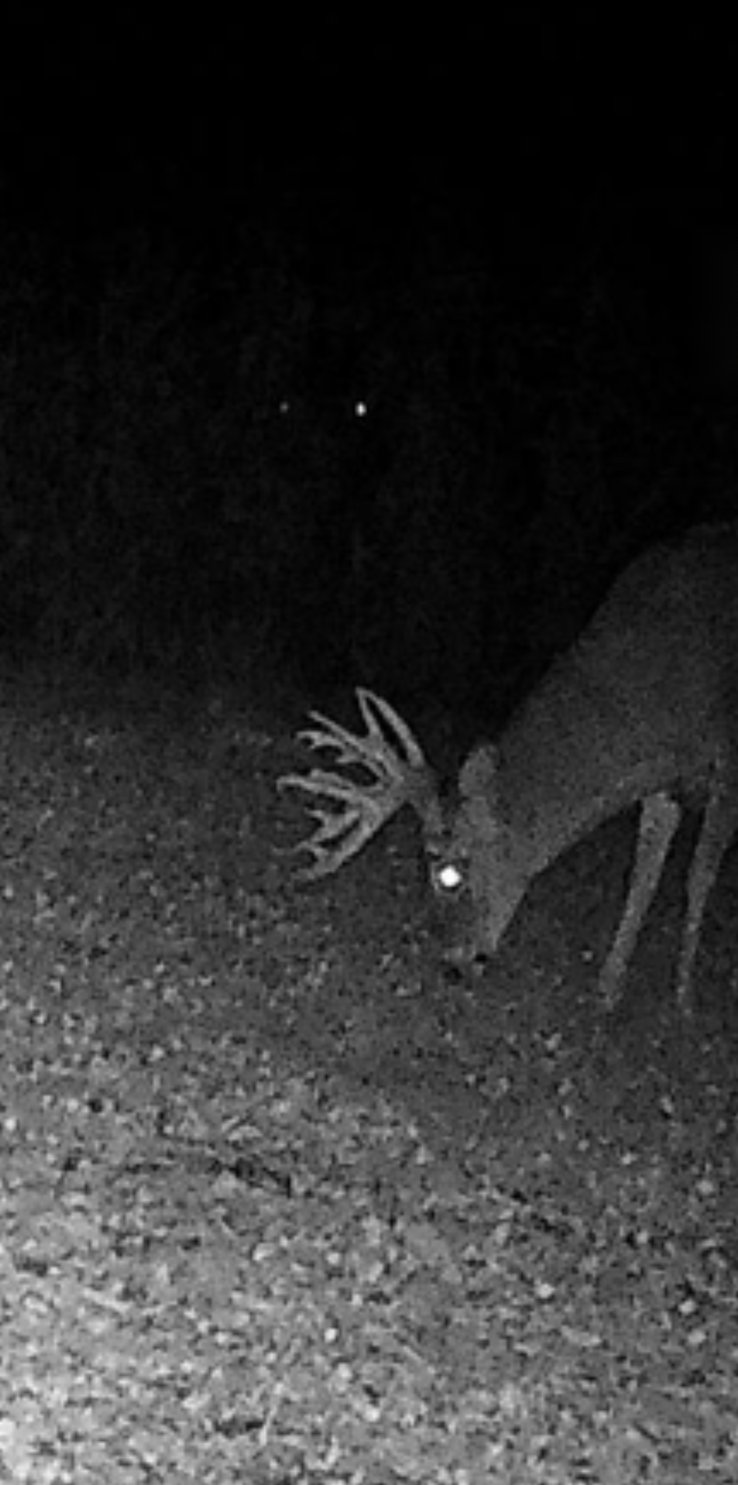
    Buck with wide antlers feeding at night, infrared

    Manage pressure

    Animals learn quickly where they are hunted. Every trip leaves scent, sound, and disturbance.

    • Rotate stands so no single spot is hunted day after day.
    • Rest a stand for several days after a hunt where something went wrong.
    • Enter and leave quietly, ideally before or after animals use the area.
    • If you spook animals, leave. Continuing to sit rarely helps.
    • On public land, expect that others also use the best access points. Look for spots farther from parking.

    How the season shifts what you do

    Early season

    Animals often follow late-summer feeding patterns. Hunt food sources in the evening and approach carefully, since cover is thick and temperatures can be warm. Be ready to field-care meat quickly in warm weather.

    Mid-season and the rut

    Deer behavior changes as breeding season approaches. Bucks move more and may travel through areas they normally avoid. Many hunters choose to sit longer in the middle of the day during this time. Details vary by year, so rely on what you are seeing locally instead of a fixed calendar.

    Late season

    Cold weather increases energy demands, and food becomes the main draw. Concentrated food such as standing crops or remaining mast can be productive. Dress for long, cold sits. Check clothing and layering for day hunts.

    Gun-season conditions

    Many hunters are in the woods at once. Expect animals to be moved by other hunters. Heavily pressured areas may reward sitting in thick cover or hunting near spots others avoid. Always know where other hunters are and what is beyond your target.

    When to stay home

    Some days are better spent resting, repairing gear, or planning.

    • Wind that cannot be managed at any available stand
    • Unsafe weather such as ice, lightning, or high winds, particularly for tree stands
    • Fatigue or illness that dulls your judgment
    • A spot that has been over-hunted

    Skipping a poor day often means a better chance on the next.

    Buck on a leaf-covered slope in autumn woods, trail camera photo

    Shoot decisions

    Before you hunt, decide what you will and will not shoot. Know what the DNR allows for your license and tag, and what is legal to take in the unit you are hunting. Verify current rules at dnr.wisconsin.gov. Take only shots within your proven range, with a clear target and a safe backstop. Passing a marginal shot is a good decision.

    After the hunt

    Record your notes, restock your day-hunt pack, and make a plan for the next sit. If you harvest an animal, follow field care after the shot.

    Common mistakes

    • Hunting the same stand repeatedly regardless of conditions
    • Ignoring wind because “this is the best spot”
    • Over-reacting to a single sighting or camera photo
    • Staying out too long after being detected
    • Treating every day the same

    FAQ

    How long should I sit?

    It depends on the day. Evening hunts should cover the last light, and mornings the first light. During times of high movement, longer sits can pay off, but safety and comfort come first.

    Should I move my stand during the season?

    Only if sign shows animals changed their pattern, and only if you can do it quietly. Frequent moves add pressure.

    How do I handle other hunters on public land?

    Pick access points farther from parking, stay aware of others, and follow all safety rules. Be courteous and give other hunters space.

    Rudy hunts and fishes in southwest Wisconsin and has for 35+ years.
  • Understanding hunting seasons and regulations

    Understanding hunting seasons and regulations

    Hunting rules change. Season dates, bag limits, license types, and zone boundaries are updated, sometimes yearly. This post will not list those details because they can go out of date, and getting them wrong can mean a citation. Instead, it explains how the system is organized and where to find the current numbers. For preparing once you know the rules, see the pre-season checklist.

    Calm lake with pines and a small island

    Where the rules live

    The Wisconsin Department of Natural Resources (DNR) is the source for hunting regulations. Start at dnr.wisconsin.gov, and use the species pages and the hunting regulations pages. License purchases and harvest-related services are handled through the DNR’s Go Wild system.

    Always read the current regulations for the year you are hunting. If a source, including this site, appears to differ from the DNR, trust the DNR.

    What to look up each year

    1. Eligibility and education

    • Hunter education requirements and any exceptions
    • Age requirements and mentored hunting options
    • Residency status and what it means for licenses

    2. Licenses, tags, and stamps

    • The license type for your species and weapon
    • Additional authorizations, such as stamps for waterfowl or permits for specific hunts
    • Whether tags are issued to you and how they must be attached or recorded
    • The deadlines for purchase or application, if drawings are involved

    3. Season structure

    Seasons are divided by species, weapon, and sometimes by area. Typical categories include:

    • Archery and crossbow seasons
    • Firearm seasons
    • Muzzleloader seasons
    • Youth and special hunts
    • Small game seasons, such as squirrel, rabbit, and grouse, plus separate turkey seasons
    • Migratory bird seasons, including ducks and geese, which are set within federal frameworks

    Look at start and end dates, legal shooting hours, and any season splits.

    4. Zones and units

    Many seasons depend on the management zone or unit. Confirm which unit your land is in, and check whether special rules apply there. Use the DNR’s maps, and don’t rely on neighbors or old information.

    5. Bag limits and legal animals

    Rules specify how many of which animals you may take, and which are legal for each license or tag. For deer, this can depend on unit and license type. For waterfowl, daily limits vary by species. Read the details and pay attention to sex or antler requirements if they apply.

    6. Legal equipment

    • Allowed firearms, calibers, and ammunition by season and species
    • Bow and crossbow requirements
    • Nontoxic shot requirements for waterfowl and on certain lands
    • Restrictions on electronic devices, baiting, and feeding

    7. Safety requirements

    • Blaze orange or fluorescent pink requirements during certain seasons. Learn what counts and how much you need to wear.
    • Rules about firearms in vehicles and transporting them
    • Tree stand and blind rules on public lands

    8. Disease management

    Chronic wasting disease (CWD) affects how deer can be handled in certain areas. The DNR publishes information on testing, carcass transport, and disposal. See the CWD page. Baiting and feeding rules also differ by county, and some counties prohibit them, so check the baiting and feeding page.

    9. After the hunt

    • Tagging and registering harvested animals
    • Time limits for registration
    • Reporting requirements and any special transport rules

    Public land versus private land

    Public properties can have rules beyond statewide regulations, such as limits on stands, trail cameras, vehicle access, or use periods. Private land requires landowner permission. Always confirm both.

    A simple way to stay current

    1. In late summer, read the full regulations for your species.
    2. Write down the key dates and your unit on a card in your pack.
    3. Bookmark the DNR pages you use.
    4. Check for updates before each trip, including emergency orders or area closures.
    5. When in doubt, call the DNR or a conservation warden.

    Common mistakes

    • Using last year’s dates
    • Assuming a rule is the same in every county
    • Not checking CWD rules in a new hunting area
    • Forgetting to register a harvest on time
    • Relying on a friend’s memory instead of the official text

    FAQ

    Can I rely on a blog or video for current rules?

    Use them for general understanding only. The DNR is the authority.

    Who do I contact with questions?

    The DNR has a customer service line and local wardens who can help. Look up current contact details on their site.

    What if I am hunting in a different state?

    Each state has its own rules. Read that state’s wildlife agency site before you go.

    Rudy hunts and fishes in southwest Wisconsin and has for 35+ years.