The season changes the way animals use the land. Food sources run out, hunting pressure builds, and the weather swings. This guide is about the decisions you make once the season is open: when to go, which stand to hunt, when to rest a spot, and when to adjust. It builds on scouting basics, stand and blind placement, and wind and weather decisions. Read those for the how; this is the when.
Have a plan, then adjust
Go into each hunt with a plan: stand, wind, approach, and exit. Then be willing to change it based on what you see. A plan prevents random choices. The ability to adjust prevents stubbornness.
Keep a simple hunt log
After each sit, write down:
- Date, time in and out
- Stand location and wind direction
- Weather and temperature
- What you saw (animals, time, direction of travel)
- Any mistakes, such as wind swirl or noise
A season of notes helps you spot patterns, such as which stands work on which winds, and it stops you from relying on memory. Keep it in a notebook or a notes app.
Decide when to hunt a stand
A stand is not a place you hunt every day. Use it when conditions line up.
- Wind: is the wind right for the approach and the setup?
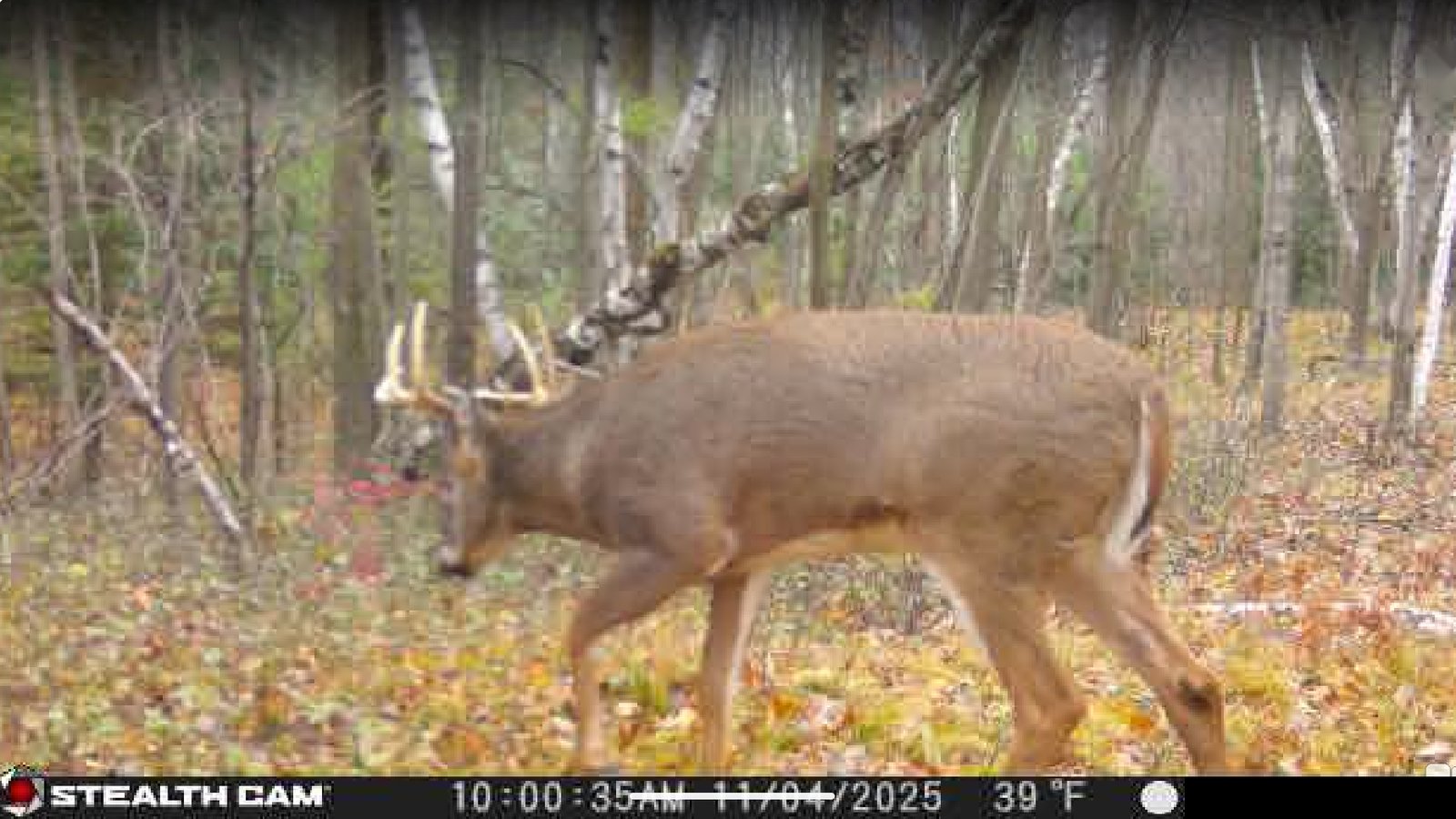
- Recent activity: have you seen fresh sign or camera photos in the last few days?
- Pressure: have you or others been in the area recently?
- Weather: are conditions comfortable and safe?
- Food: is the food source still being used?
If two or three of these are missing, pick another stand or stay home.
Manage pressure
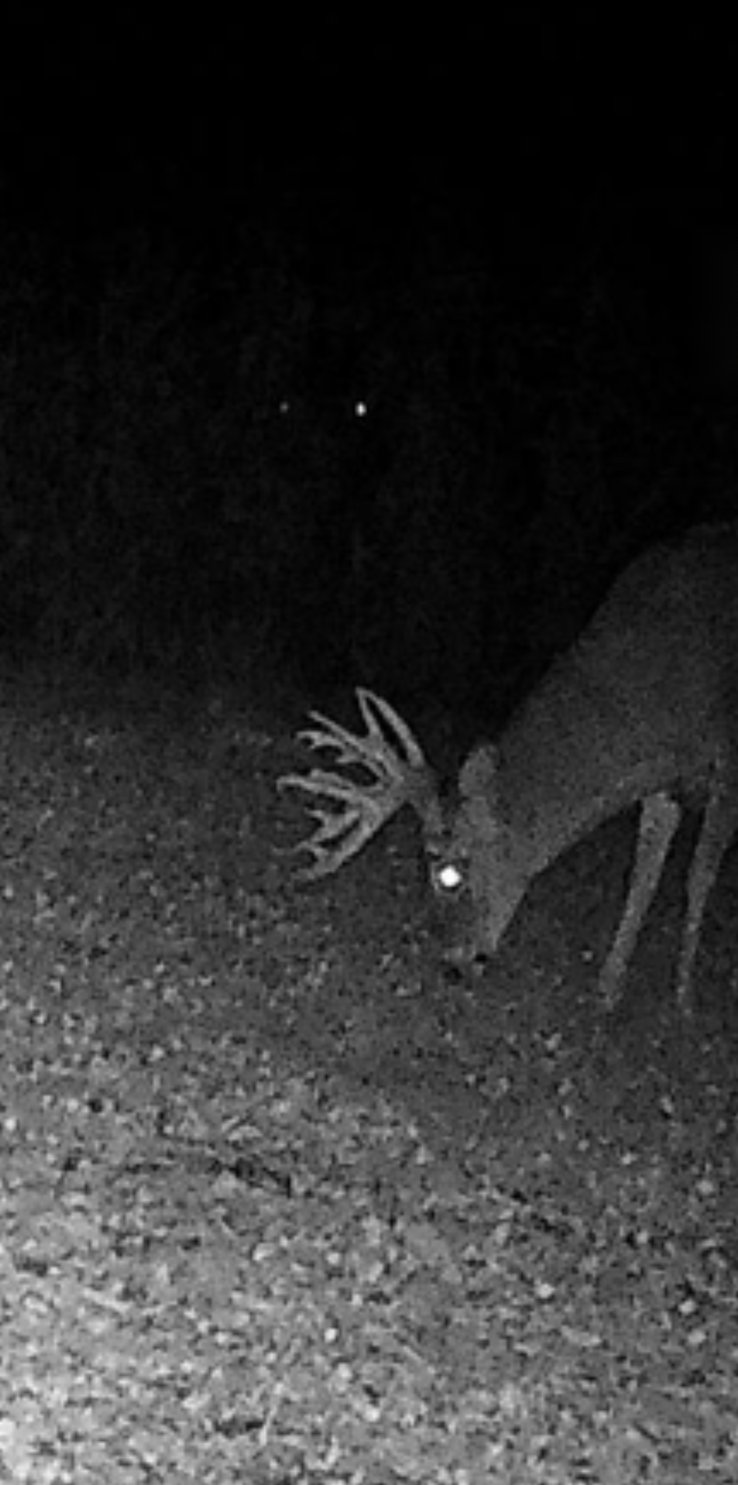
Animals learn quickly where they are hunted. Every trip leaves scent, sound, and disturbance.
- Rotate stands so no single spot is hunted day after day.
- Rest a stand for several days after a hunt where something went wrong.
- Enter and leave quietly, ideally before or after animals use the area.
- If you spook animals, leave. Continuing to sit rarely helps.
- On public land, expect that others also use the best access points. Look for spots farther from parking.
How the season shifts what you do
Early season
Animals often follow late-summer feeding patterns. Hunt food sources in the evening and approach carefully, since cover is thick and temperatures can be warm. Be ready to field-care meat quickly in warm weather.
Mid-season and the rut
Deer behavior changes as breeding season approaches. Bucks move more and may travel through areas they normally avoid. Many hunters choose to sit longer in the middle of the day during this time. Details vary by year, so rely on what you are seeing locally instead of a fixed calendar.
Late season
Cold weather increases energy demands, and food becomes the main draw. Concentrated food such as standing crops or remaining mast can be productive. Dress for long, cold sits. Check clothing and layering for day hunts.
Gun-season conditions
Many hunters are in the woods at once. Expect animals to be moved by other hunters. Heavily pressured areas may reward sitting in thick cover or hunting near spots others avoid. Always know where other hunters are and what is beyond your target.
When to stay home
Some days are better spent resting, repairing gear, or planning.
- Wind that cannot be managed at any available stand
- Unsafe weather such as ice, lightning, or high winds, particularly for tree stands
- Fatigue or illness that dulls your judgment
- A spot that has been over-hunted
Skipping a poor day often means a better chance on the next.
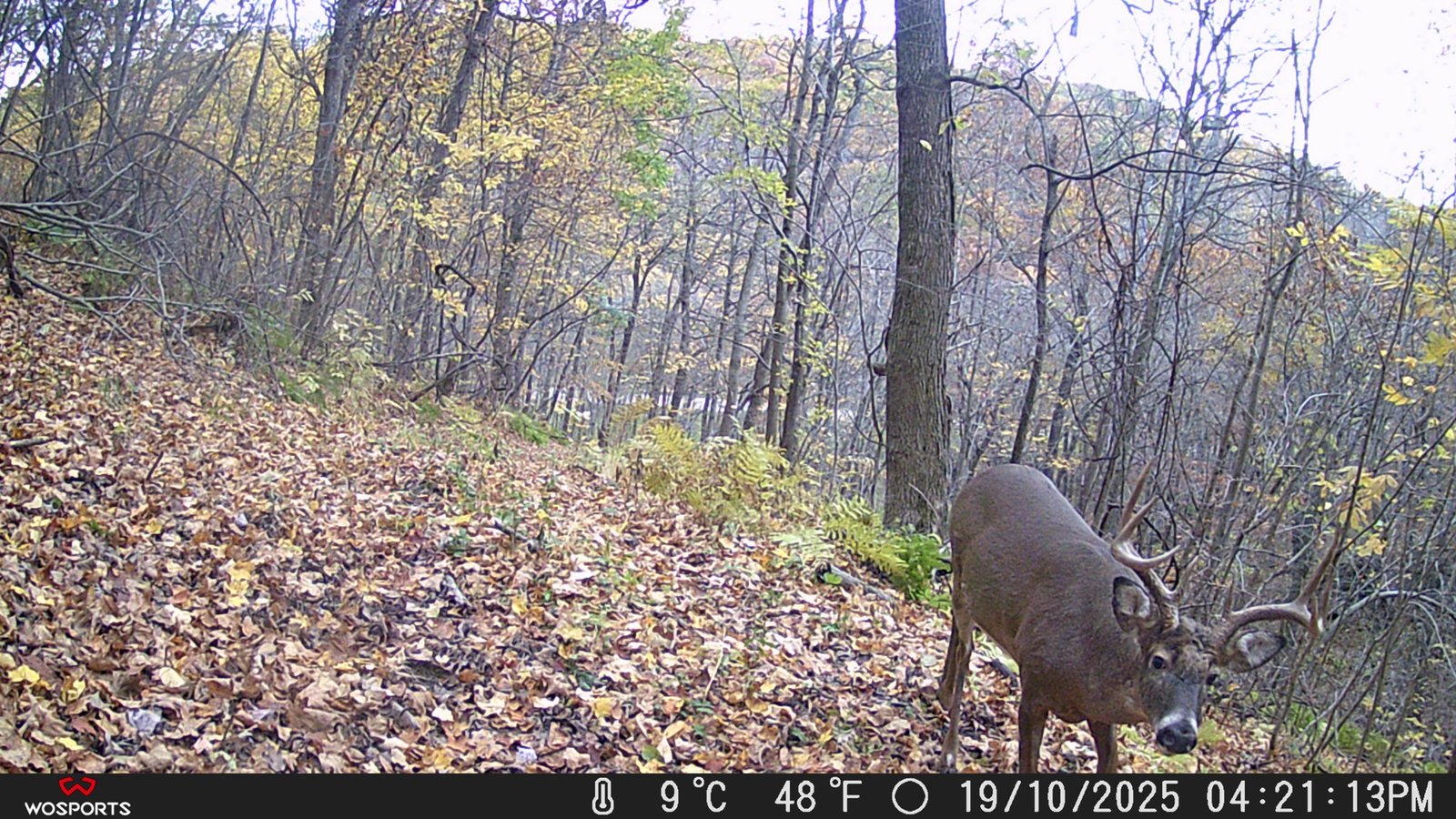
Shoot decisions
Before you hunt, decide what you will and will not shoot. Know what the DNR allows for your license and tag, and what is legal to take in the unit you are hunting. Verify current rules at dnr.wisconsin.gov. Take only shots within your proven range, with a clear target and a safe backstop. Passing a marginal shot is a good decision.
After the hunt
Record your notes, restock your day-hunt pack, and make a plan for the next sit. If you harvest an animal, follow field care after the shot.
Common mistakes
- Hunting the same stand repeatedly regardless of conditions
- Ignoring wind because “this is the best spot”
- Over-reacting to a single sighting or camera photo
- Staying out too long after being detected
- Treating every day the same
FAQ
How long should I sit?
It depends on the day. Evening hunts should cover the last light, and mornings the first light. During times of high movement, longer sits can pay off, but safety and comfort come first.
Should I move my stand during the season?
Only if sign shows animals changed their pattern, and only if you can do it quietly. Frequent moves add pressure.
How do I handle other hunters on public land?
Pick access points farther from parking, stay aware of others, and follow all safety rules. Be courteous and give other hunters space.
Rudy hunts and fishes in southwest Wisconsin and has for 35+ years.
Leave a Reply