
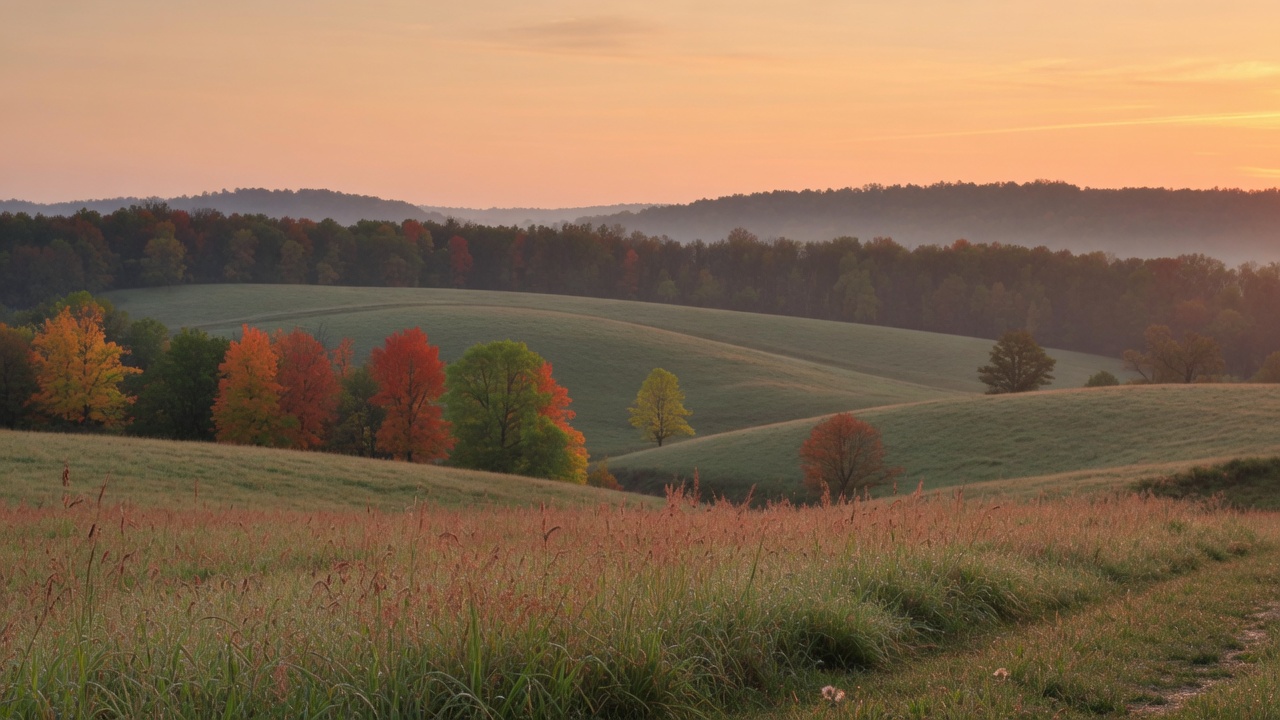
Wind and weather decide more hunts than new camo. Learn when to sit, when to still-hunt, and when staying home saves the spot for a better day.
Wind rules that actually help
- Pick the stand for today’s wind, not yesterday’s plan
- Expect swirls near hills, hollows, and thermal shifts at dawn/dusk
- Carry a wind checker — powder or milkweed beats guessing
- If your scent blows into bedding, do not “hope” — move or abort
Weather that moves animals
- Cold fronts: often worth a sit — feeding before/after the push
- Hard rain: sometimes better after it eases than during the dump
- High wind: can make timber quieter for still-hunting; stands get noisy and scent gets weird
- Hot bluebird days: shorten expectations; hunt edges of daylight harder
When to stay home
- Lightning and unsafe access
- Wind that only lets you bump the best cover to reach a mediocre sit
- Conditions where you will educate the spot with zero odds
Species notes
- Deer: wind is non-negotiable; thermals wreck “perfect” ridge sits
- Squirrel: windy days reduce hearing/seeing; calm mornings are friendlier
- Duck: wind direction shapes decoy spreads and finishing angles; weather systems move birds more than scent does
Pack for the swing — rain shell and layers (day-hunt pack) — so a good forecast change does not send you back to the truck.
Leave a Reply