

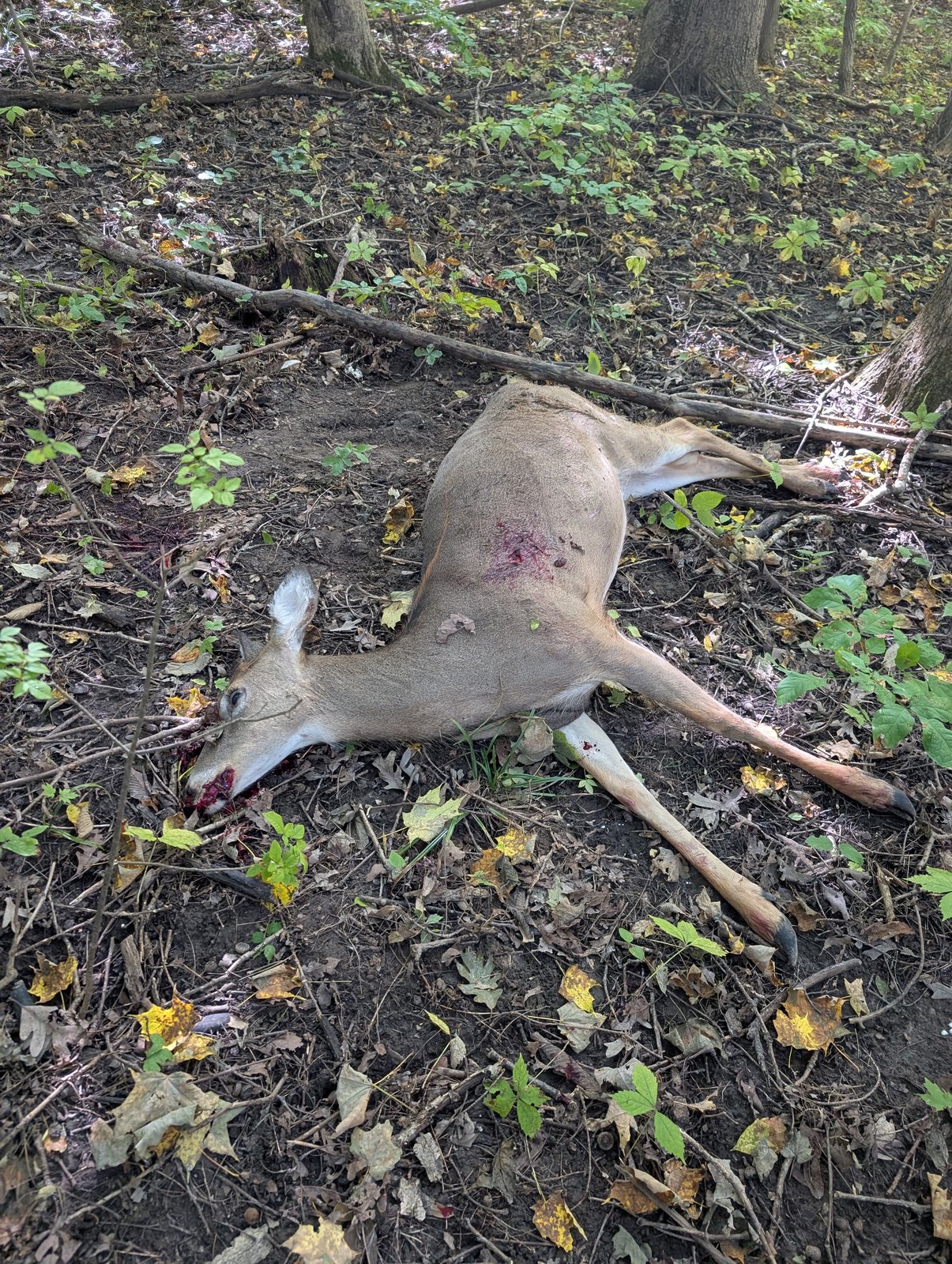
Stock turns bones and scraps into the base for soups, stews, gravy, and braises. It is almost free and makes use of the whole animal. This recipe covers venison bones, with notes for waterfowl and other game. It is mostly hands-off but takes time, so plan a day when you are home. It yields about 3 to 4 quarts.
Yield: about 3 to 4 quarts | Prep: 20 minutes | Roast: 40 minutes | Simmer: 4 to 8 hours
Ingredients
- 4 to 5 pounds venison bones, such as leg, neck, and rib bones, with some meat and connective tissue
- 1 tablespoon oil (for roasting)
- 2 onions, quartered (skins can stay on for color)
- 3 carrots, cut into large chunks
- 3 celery ribs, cut into large chunks
- 1 head garlic, halved crosswise
- 2 tablespoons tomato paste (optional)
- 2 bay leaves
- 1 tablespoon black peppercorns
- 4 sprigs thyme and a handful of parsley stems
- 1 tablespoon apple cider vinegar (helps pull minerals from bones)
- About 5 quarts cold water, enough to cover by 2 inches
- Salt: add only when using the stock, not during cooking
Method
- Heat the oven to 425°F.
- Roast the bones. Spread the bones on a rimmed baking sheet. Toss with oil. Roast 30 to 40 minutes, turning once, until well browned. Add the onions, carrots, celery, and garlic for the last 15 to 20 minutes. Brush the tomato paste on the bones and vegetables for the last 10 minutes if using.
- Transfer everything to a large stockpot. Pour off the fat from the pan. Add a cup of water to the baking sheet, scrape up the browned bits, and add them to the pot.
- Add water and aromatics. Cover with cold water by about 2 inches. Add vinegar, bay leaves, peppercorns, and herbs.
- Heat slowly. Bring just to a gentle simmer over medium heat. Do not boil hard, which clouds the stock. Skim any foam that rises during the first 30 minutes.
- Simmer. Reduce to low, keeping a bare simmer with tiny bubbles. Simmer partly covered for 6 to 8 hours for large venison bones. Top up with hot water if bones become exposed.
- Strain. Remove the bones with tongs, then pour the stock through a fine-mesh strainer into clean containers. Discard solids.
- Cool quickly. See the food safety notes below.
- Skim the fat once chilled. A solid fat cap on top can be removed and discarded or saved.
Food safety
Stock is a good environment for bacteria if it cools slowly. Follow these steps:
- Do not leave a large pot on the counter or stove overnight.
- Divide the hot stock into shallow containers, 2 to 3 inches deep, and place them in the refrigerator or in an ice bath.
- Aim to get stock cooled and into the refrigerator within two hours.
- Refrigerate for no more than 3 to 4 days, or freeze.
- Bring stock to a full boil before using it in a recipe if it has been stored for several days.
- Use bones from animals that were properly field dressed and cooled. See field care after the shot.
- In areas with chronic wasting disease, follow DNR guidance on handling and disposing of carcass parts, including bones. Check the DNR CWD and carcass pages before you hunt.
Notes for other game
- Waterfowl and upland birds: use carcasses and trimmings, roast for 30 minutes, and simmer only 2 to 3 hours. Longer can bring out bitter or strong flavors.
- Rabbit and squirrel: simmer 2 to 3 hours for a light stock.
- Fish: different method, and 30 to 45 minutes is enough.
- Strongly flavored birds: blanch bones in boiling water for 5 minutes and rinse before the main simmer.
Tips
- Keep scraps. Store onion ends, carrot peels, and celery tops in a freezer bag until you make stock.
- Remove excess fat and sinew, which can add strong flavor.
- Reduce for storage. Simmering strained stock until it is half the volume makes concentrate that takes less freezer space. Dilute when using.
- Salt later. Reduced stock gets salty fast.
Storage
- Refrigerator: 3 to 4 days.
- Freezer: freeze in 1-cup and 1-quart portions, leaving space at the top for expansion. Best used within about 4 to 6 months.
- Ice cube trays: freeze small amounts for pan sauces.
- Label with date and type.
Uses
- Base for venison chili
- Liquid for a slow braise
- Pan sauces for backstrap or duck breast
- Soups, gravies, and cooking grains
FAQ
Why is my stock cloudy?
It was probably boiled, or foam was not skimmed. It is still fine to eat.
Why does it smell strong?
Venison and duck stock smell more intense than beef or chicken stock. Roasting, skimming, and removing excess fat help.
Can I use a slow cooker or pressure cooker?
Yes. A slow cooker works on low for 12 to 18 hours. A pressure cooker takes around 1.5 to 2 hours on high.
Rudy hunts and fishes in southwest Wisconsin and has for 35+ years.
Leave a Reply