
What you do in the first hour after the shot has more effect on the meat than any recipe. Bacteria grow quickly in warm meat, and a carcass that cools slowly can spoil. This guide walks through the steps for a deer, from the shot to getting the animal cooled. The same principles apply to other game. It pairs with your knives and field processing kit and the recipes later in the kitchen, such as the venison backstrap.
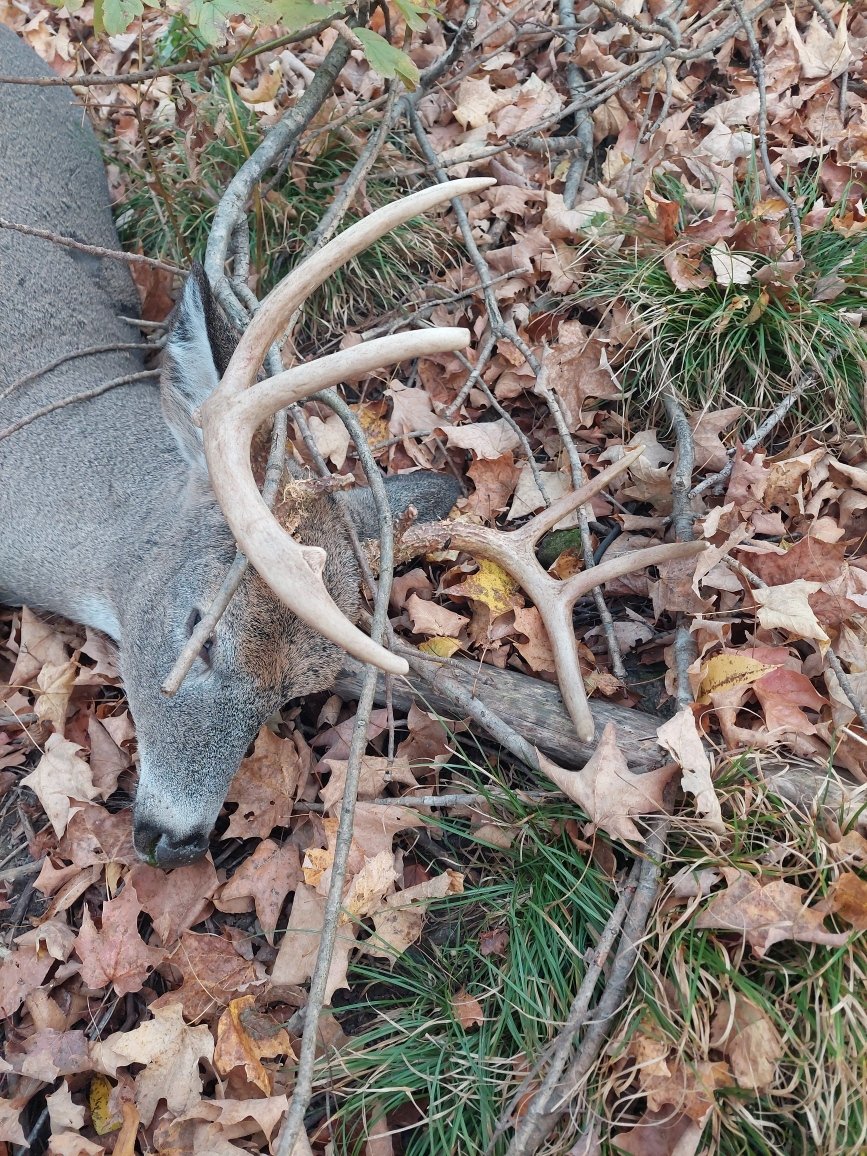
Immediately after the shot
- Stay put. Stay in your stand or position for a few minutes. Watch and listen. Note where the animal was standing, which way it ran, and where it was last seen.
- Mark the spot. Use a phone pin or landmark. Look for the first sign: blood, hair, or an arrow.
- Make a plan. Think about how the animal reacted and how long to wait, which depends on shot placement and conditions. When in doubt, wait longer, especially if the shot was off. Pushing a wounded animal too soon can cause it to run farther.
- Safety first. Unload your firearm before climbing down. Be aware of your surroundings and any other hunters.
If it gets dark, rain threatens to wash away sign, or you are unsure about the shot, consider asking for help from experienced friends or a tracker. In Wisconsin, check the DNR for rules on tracking dogs and on retrieving game on land you do not have permission to enter.
Tracking
- Start at the last point where you saw the animal, and mark each blood spot with flagging tape.
- Follow the trail slowly and quietly, and look ahead as well as down.
- Do not walk over the trail. Walk beside it.
- If you lose the trail, go back to the last sign and search in widening circles.
- Be ready for the animal to be alive. Approach from behind and give it time.
Field dressing
Work as soon as the animal has expired and you have confirmed it, and tag the animal as required by your license.
What you need
Sharp knife, gloves, rope, game bags, water, and paper towels. See day-hunt pack essentials.
Basic steps
- Wear gloves. Position the deer on its back or side on a slope with the head uphill, if possible.
- Make a shallow cut from the sternum to the pelvis, keeping the blade up and not cutting into the intestines or stomach.
- Free the diaphragm and cut it away from the rib cage.
- Reach up and cut the windpipe and esophagus, then pull the organs down and out.
- Free the lower organs, being careful to keep the bladder and intestines intact. If you puncture them, rinse with clean water as soon as possible.
- Drain the body cavity and wipe it clean with paper towels. Avoid using water unless it is needed, because moisture can encourage bacterial growth.
If this is your first time, watch a hunter education video or ask an experienced hunter to demonstrate. Different sources describe slightly different techniques, so learn one method well.
Cool the meat quickly
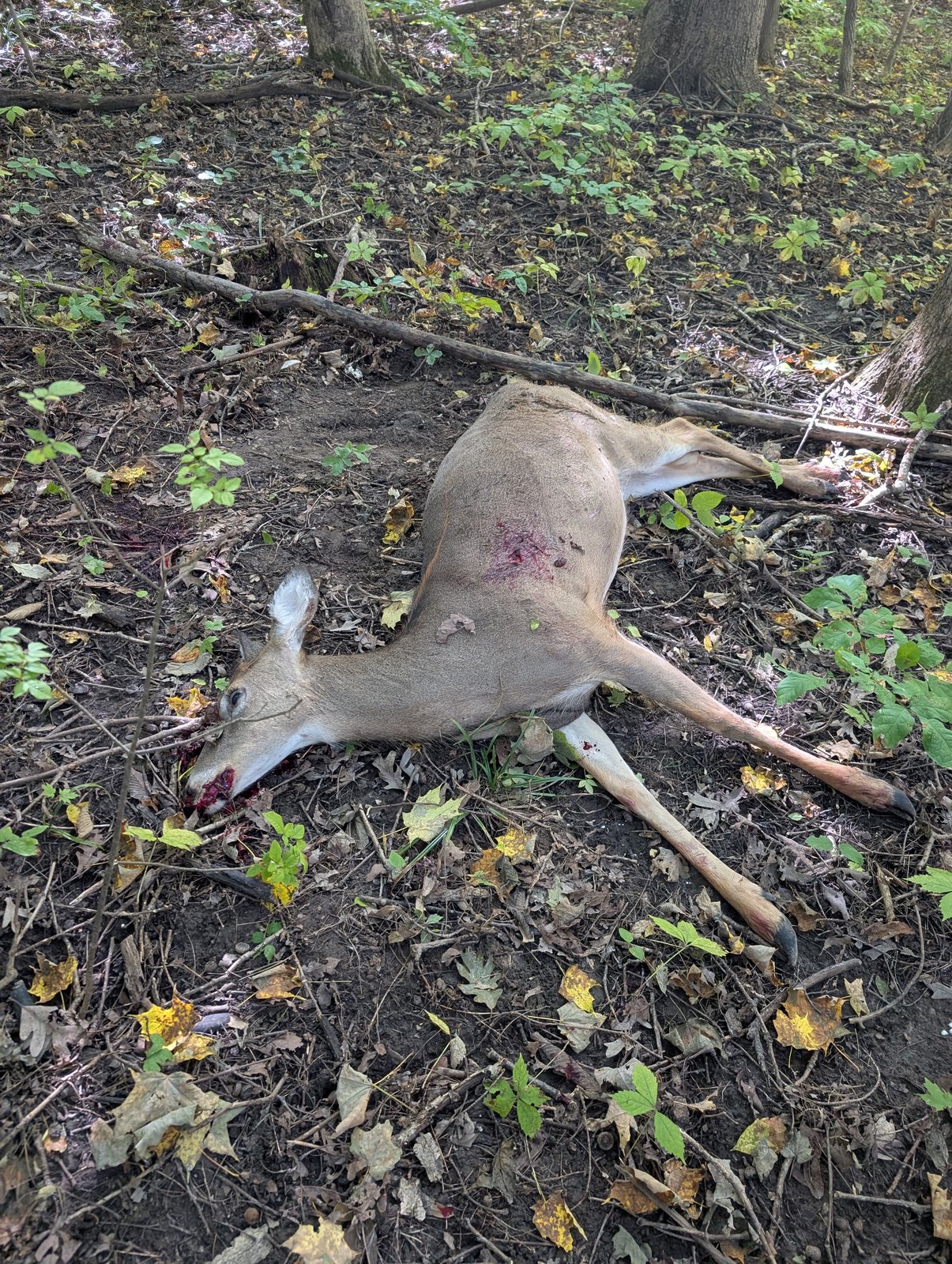
Meat should be cooled as soon as possible. Aim for meat temperatures below 40°F as quickly as you can, and do not let the carcass sit in the sun.
- Cold weather: hang the deer in a shaded place. Remove the hide as soon as practical, since hide acts as insulation.
- Warm weather: skin and quarter quickly, then place the meat in game bags in coolers with ice. Keep meat out of water; use drain plugs and raise the meat on racks, so it doesn’t sit in meltwater.
- Travel: do not leave a deer in a truck bed on a warm day. Keep it shaded and ventilated.
- Aging: if you age meat, it needs steady cold temperatures. If conditions are not right, process promptly.
Check the animal
Look for signs the animal may be unhealthy: unusual lumps, strange or foul smell, discolored organs, thin condition, or abnormal behavior before the shot. If something seems wrong, contact the DNR before you consume the meat.
Chronic wasting disease (CWD) is present in parts of Wisconsin. The DNR provides testing and guidance on carcass transport and disposal, and the rules vary by area. Read the DNR’s CWD and carcass disposal pages before you hunt, not after.
Lead fragments
If you use lead-based bullets, small fragments can travel through the meat. Trim generously around the wound channel and discard damaged meat.
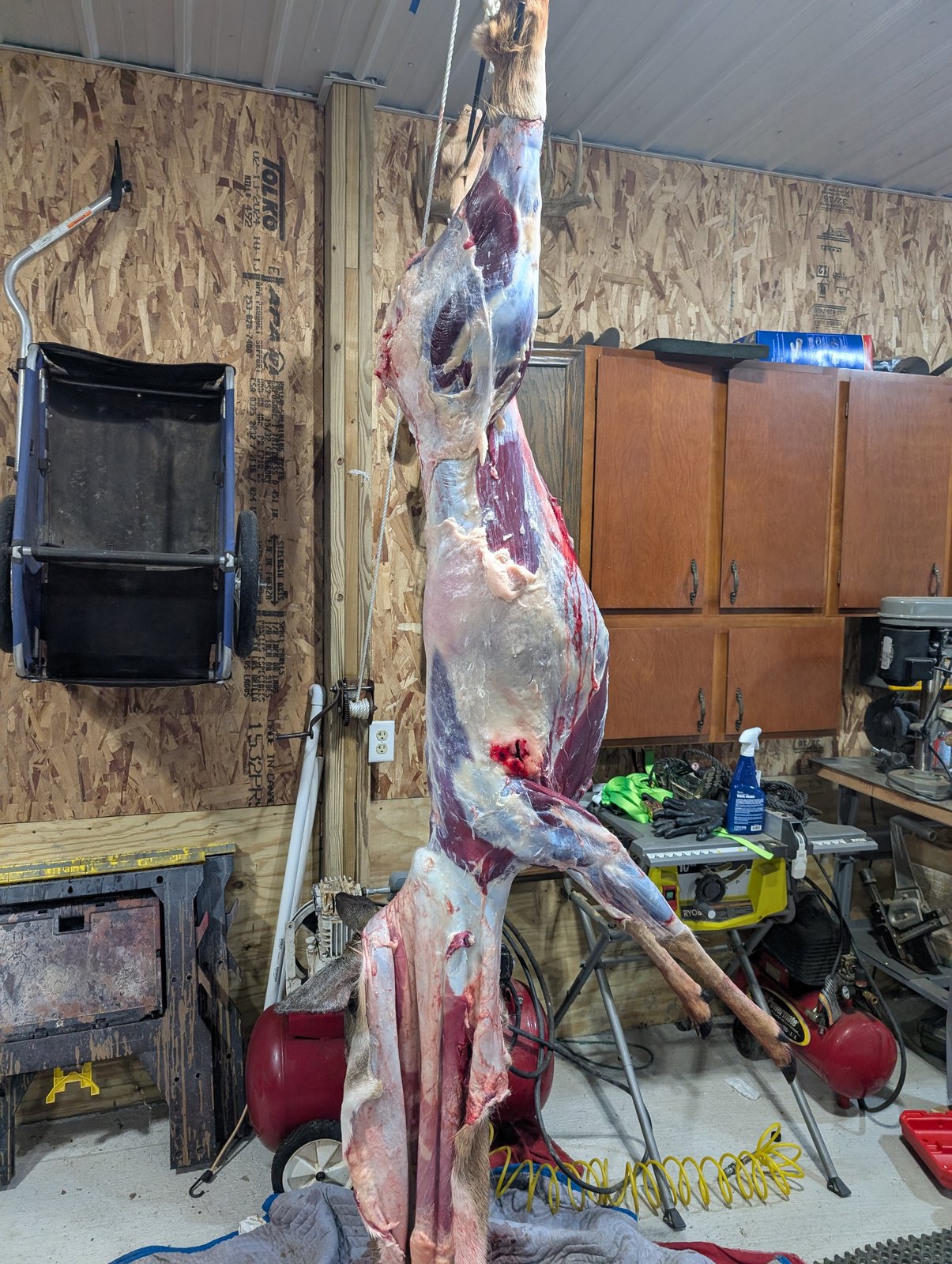
Tagging and registering
Wisconsin requires harvested deer to be tagged and registered. The registration method has changed over time, so confirm the current process at dnr.wisconsin.gov and make a note of the time limit.
Common mistakes
- Pushing a poor shot too soon
- Puncturing the stomach or intestines and not cleaning up
- Leaving the hide on in warm weather
- Letting meat sit in meltwater
- Skipping the tag or registration
FAQ
How long can a deer hang before it needs to be cooled?
There is no single safe time. In warm weather, hours matter. Cool as soon as possible and keep the meat cold.
Should I wash the cavity?
Wipe with clean paper towels or cloths first. Rinse with clean, potable water only if needed, then dry.
What if I am not sure the meat is safe?
When in doubt, throw it out and call the DNR if you are concerned about disease.
Rudy hunts and fishes in southwest Wisconsin and has for 35+ years.
Leave a Reply