

This is a planning checklist for the weeks and months before opening day. It is separate from your day-hunt pack, which covers what goes in the bag each outing. Here the goal is to finish the work that is hard to do once the season starts: paperwork, practice, repairs, and preparation. Work backward from opening day and give yourself more time than you think you need.
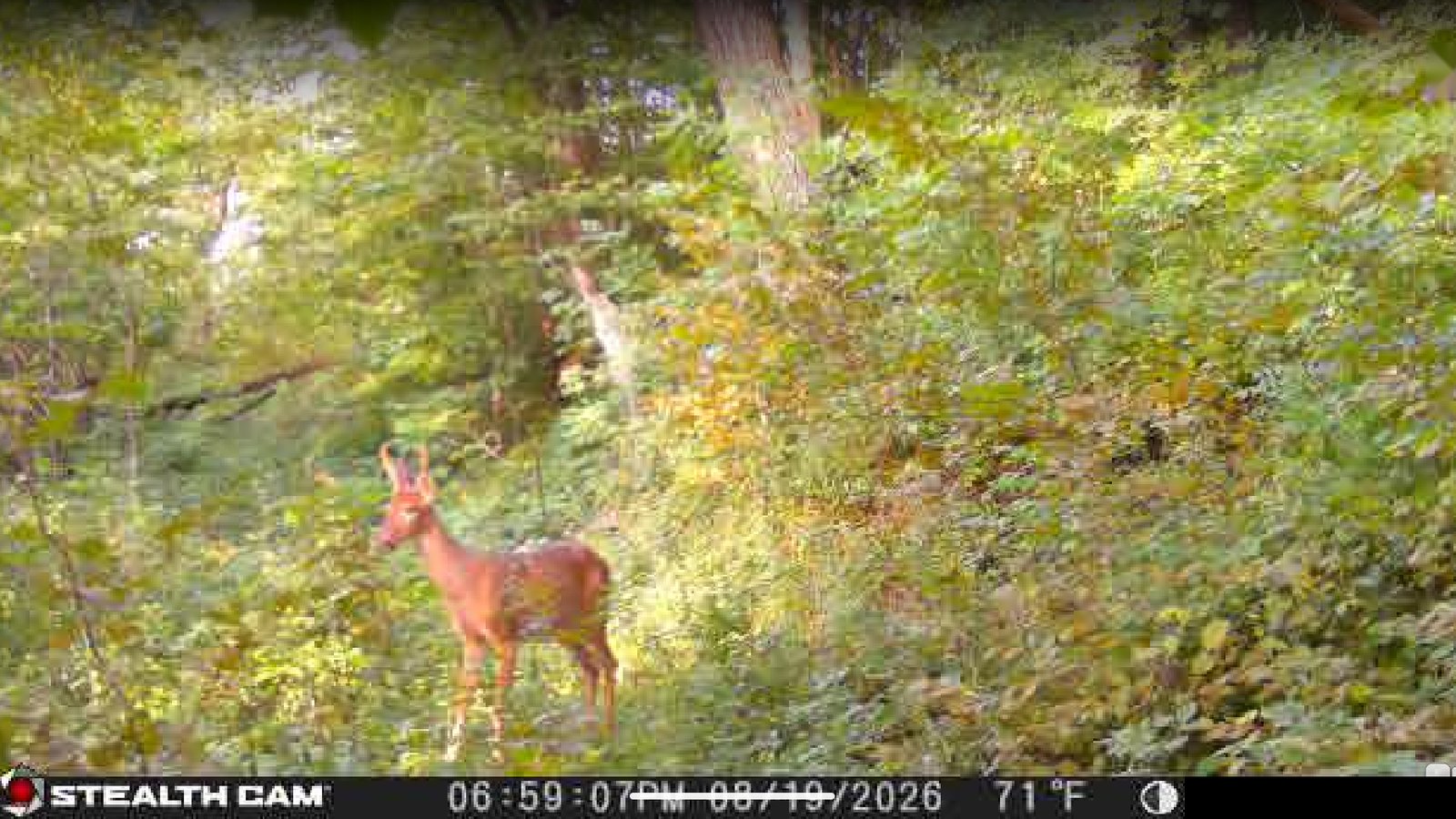
Eight to twelve weeks out: paperwork and planning
- Hunter education: Wisconsin requires proof of hunter education for many hunters, depending on age and license type. Check requirements at dnr.wisconsin.gov and sign up early since classes can fill.
- Licenses and stamps: buy through the DNR’s Go Wild system, and add any additional authorizations your hunt requires, such as stamps or permits for waterfowl.
- Season structure: read through the current regulations for your species, unit, and weapon type. See understanding hunting seasons and regulations for how to read them.
- Permissions and land access: ask landowners now, not the week before. Confirm boundaries and any rules a landowner wants followed.
- Public land plan: pick a primary and a backup spot, and look at parking and walking routes.
- Calendar and time off: block out your best hunting dates and any family commitments.
Six to eight weeks out: gear
Weapons
- Firearm: clean, inspect, and confirm the action functions. Check scope mounts and sling swivels.
- Bow or crossbow: inspect limbs, strings, cables, and rest. Replace worn strings or cables. If you are unsure, have a pro shop look it over.
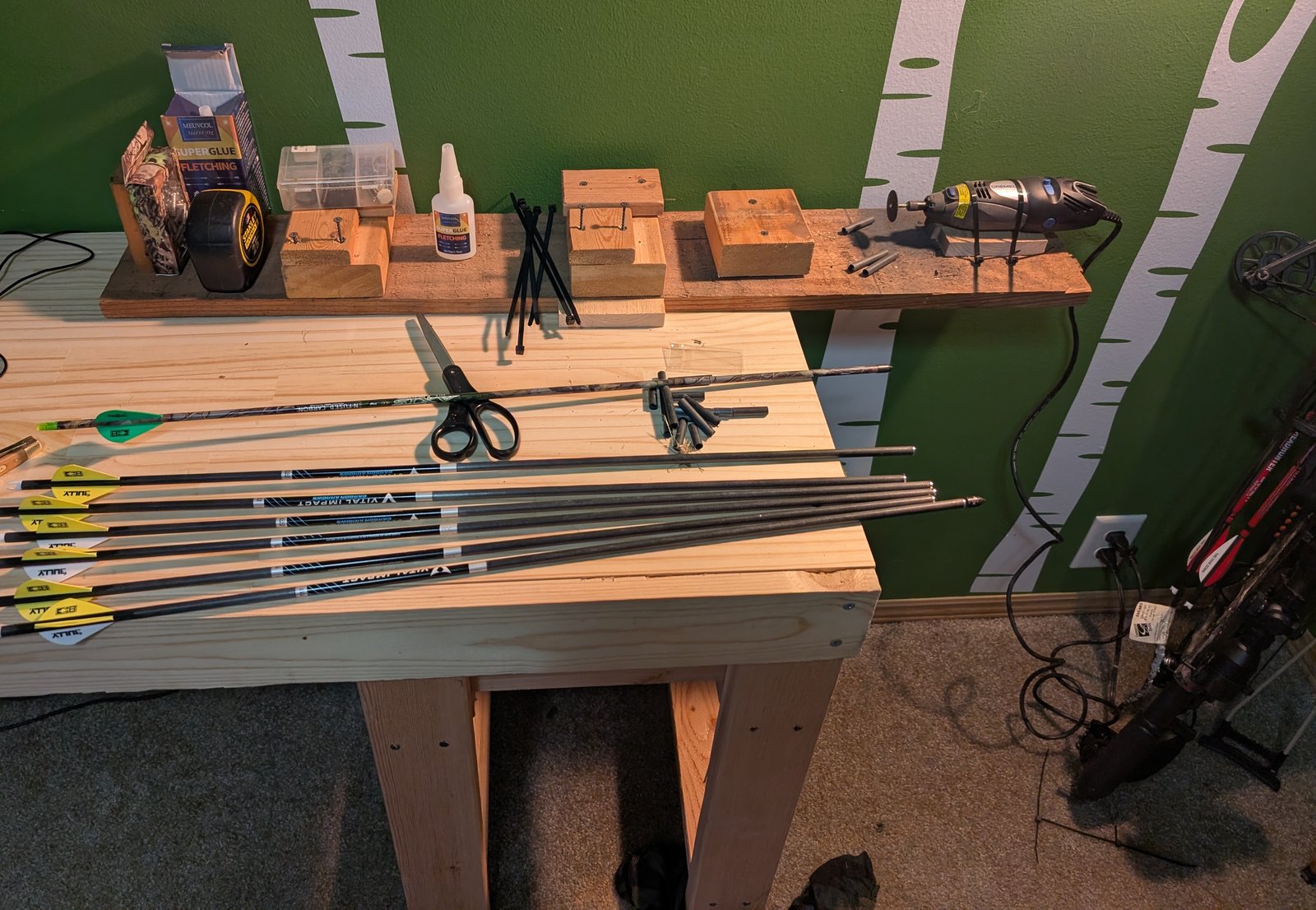
- Ammunition and arrows: buy the same load you will hunt with and verify zero.
- Broadheads: confirm that they fly with your field points, and replace dull or damaged blades.
Clothing and boots
- Wash hunting clothes in unscented detergent and store them sealed.
- Test boots for leaks and wear. Break in any new pair before the season.
- Review your layering plan in clothing and layering for day hunts.
Optics and tools
- Clean lenses, check batteries, and verify that your rangefinder and binoculars are working. See optics that earn a spot.
- Sharpen knives and check your kit: knives and field processing kit.
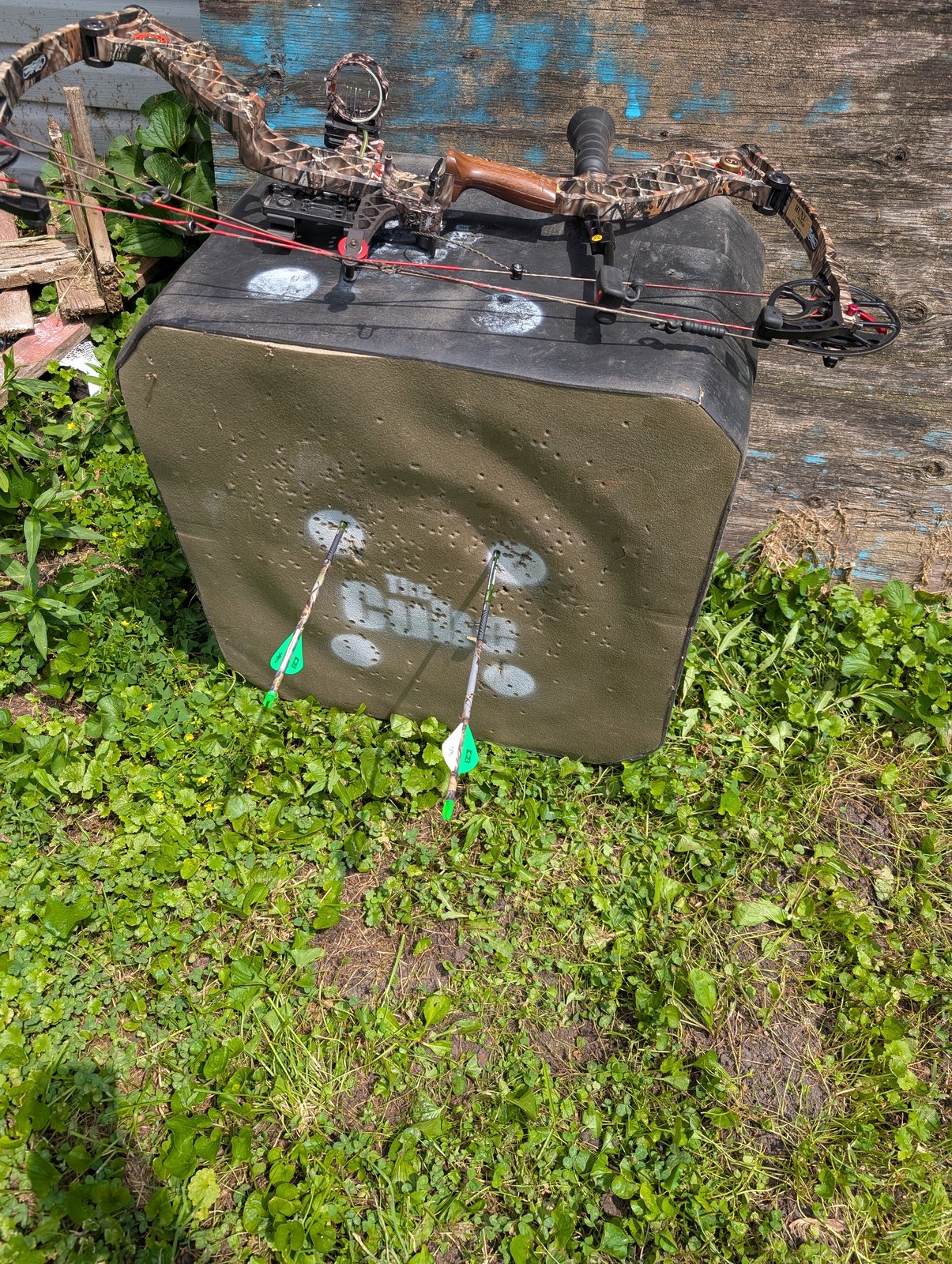
Four to six weeks out: practice
- Shooting: practice from field positions, not only from a bench. Include sitting, kneeling, and shooting off sticks or a rest.
- Bow: shoot at varied distances and from an elevated position if you hunt from a stand. Practice in the clothing you will wear.
- Safe handling: run through unloading, loading, and crossing obstacles with your firearm.
- Know your limits: decide in advance the maximum distance you can shoot ethically with your setup, and stick to it.
Two to four weeks out: land and stands
- Scouting: finish major scouting and stay out of core areas. See scouting basics.
- Stands and blinds: inspect straps, bolts, cables, and platforms. Replace worn parts. Trim shooting lanes where permitted. Check stand and blind placement for setup and safety.
- Safety harness: inspect webbing and stitching, and replace any harness that is old, damaged, or past its manufacturer’s lifespan.
- Trail cameras: set, check, and pull them according to local rules and your own plan. See trail cam basics.
- Access routes: clear a quiet path to each stand, and plan for how you will approach in the dark.
The final week
- Pack and weigh your bag, and run through the list in the day-hunt pack essentials.
- Charge batteries, update offline maps, and test the headlamp.
- Check the weather and wind forecasts. See wind and weather decisions.
- Fill the vehicle with fuel, and check your spare tire.
- Review safety rules and make sure someone knows your plan.
- Set up meat care: clean the cooler, buy ice or plan cold storage, and know where your processor is, if you use one. See field care after the shot.
Common mistakes
- Buying a license on opening morning and discovering an issue
- Practicing only on a bench
- Waiting until the last week to check stand straps and harnesses
- Putting off scouting until too late, then walking through bedding areas
- Not zeroing after changing ammunition or mounting a new scope
FAQ
What is the most commonly overlooked item?
Safety equipment. Check harness, headlamp batteries, and a first aid kit.
How early should I buy a license?
As soon as you know your plans. It removes a source of last-minute stress.
Should I check regulations every year?
Yes. Seasons, units, and rules change. Confirm current details at the DNR site.
Rudy hunts and fishes in southwest Wisconsin and has for 35+ years.
Leave a Reply